




Gun Violence Data & Reporting
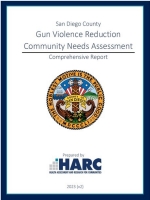
From September 2022 to June 2023, the County conducted a gun violence community needs assessment to better understand the impact gun violence is having on our communities and to hear directly from residents about the solutions they would like to see.
The Gun Violence Reduction Community Needs Assessment Final Report brings together findings from data analysis, community surveys, and listening sessions. It highlights key themes, community voices, and offers recommendations to strengthen local efforts to reduce gun violence.
To explore the full report and learn more about key insights and recommendations, click the image on the left.
From September 2022 to June 2023, the County conducted a gun violence community needs assessment to better understand the impact gun violence is having on our communities and to hear directly from residents about the solutions they would like to see.The Gun Violence Reduction Community Needs Assessment Final Report brings together findings from data analysis, community surveys, and listening sessions. It highlights key themes, community voices, and offers recommendations to strengthen local efforts to reduce gun violence.To explore the full report and learn more about key insights and recommendations, click the image on the left.
The 2025 Annual Gun Violence Report highlights encouraging progress in reducing firearm-related violence and injuries across San Diego County while identifying areas that continue to require focused prevention efforts. Between 2022 and 2025, firearm- related trauma incidents declined by nearly 44%, trauma hospitalizations decreased by more than 50%, and firearm homicides fell 28%, reflecting meaningful reductions in interpersonal firearm violence. The report also found a 60% decrease in recoveries of privately made firearms, commonly known as ghost guns. Despite these improvements, firearm suicide remains a significant concern, particularly among older adults, and irearm-related injuries and deaths continue to affect males and adults ages 25-44 at higher rates than other groups. These findings underscore the importance of continued collaboration among public safety, public health, healthcare, behavioral health, education and community partners to sustain progress, address disparities, and further reduce firearm-related deaths and injuries throughout San Diego County.


