




Disaster Preparedness Saves
09/18/26

Guest Author: Christian Bejarano is a California Emergency Response Corps member working with CORE (Community Organized Relief Effort) in San Diego County. He supports disaster preparedness and community resilience initiatives, helping individuals and families prepare for emergencies before they occur.
Disaster preparedness is a high-return investment individuals can make to reduce loss of life and economic damage. Disaster preparedness refers to the actions taken by governments, organizations, communities, and individuals before a disaster occurs to improve their ability to respond, recover, and reduce harm. These efforts can include emergency planning, public education, early warning systems, training, and stockpiling critical resources. Effective preparedness helps protect lives, livelihoods, and infrastructure while strengthening community resilience during emergencies. Think of disaster preparedness like changing the oil in your car or carrying insurance. Spending a little time and money today—whether that’s storing water, creating an emergency plan, or preparing a go-bag—can prevent much larger expenses and hardships later.
Preparedness has become increasingly important as population growth, urban development, climate change, environmental degradation, and socioeconomic vulnerabilities place more people and assets at risk. Understanding local hazards, vulnerabilities, and potential impacts allows communities to take proactive measures rather than relying solely on emergency response after a disaster occurs. Investing in preparedness not only improves response capabilities and supports faster recovery but also reduces overall disaster-related costs by minimizing damage and preventing avoidable losses. As extreme weather events become more frequent and costly, the economic case for preparedness has never been stronger. What was once optional is now essential for risk management.
$1=$13
Investing in disaster preparedness today can generate significant savings when disasters occur. The newest data shows that investing in mitigation and resilience are among the most valuable investments that can help reduce the impacts of disasters. According to the United States Chamber of Commerce, every $1 invested in resilience and disaster preparedness saves an average of $13 in future economic losses. The total savings breakdown: $6 saved from reduced direct physical damage and cleanup costs; $7 saved by preserving jobs, household income, and local economic output. These findings highlight that preparedness is not simply about recovering after a disaster; it is about making investments today that can protect people, communities, and local economies in the future.
The Cost of Inaction
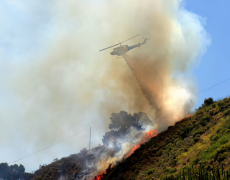
Unfortunately, the likelihood of natural disasters is rising significantly, and we’re seeing record breaking costs. The 2025 Los Angeles wildfires, for example, caused an estimated $76 billion to $131 billion in property and capital losses, with insured losses reaching as much as $45 billion, according to the University of California, Los Angeles Anderson School of Management.
The consequences extend beyond the immediate damage. As disaster risk increases, communities can face higher insurance costs, reduced access to financing, lost income, and longer recovery times. The United Nations Office for Disaster Risk Reduction warns that failing to invest in risk reduction can create cycles of increasing debt, declining incomes, and growing financial instability. For a typical family household, this means increasing home insurance costs, skyrocketing food costs, and avoidance of banks to provide loans for certain areas. In other words, disaster risk is not just an environmental issue; it is a long-term economic stability issue.
What You Can Do
Preparedness doesn't have to be expensive. Small steps taken before a disaster can help protect your home, finances, and family—and many of them cost little or nothing.
- Review your home insurance or renter’s policy to see what disaster-related expenses are covered.
- Learn more about different emergency alerts, like the Alert San Diego, Watch Duty, and National Oceanic and Atmospheric Administration Weather Radio alerts.
- When flooding is imminent or predicted, National Flood Insurance Program policy holders are eligible to receive up to $1,000 to purchase loss avoidance supplies such as tarps, sandbags, and more.
- Treat wood or combustible material used in roofs, siding, decking or trim with fire-retardant chemicals evaluated by a nationally recognized laboratory.
- Sign up for your community’s warning system.
Disaster preparedness is one of the most cost-effective investments individuals, families, and communities can make. As disasters become more frequent and costly, taking simple steps today—such as creating an emergency plan, protecting important documents, maintaining adequate insurance coverage, and building an emergency kit—can significantly reduce future losses. While no one can prevent every disaster, everyone can take action to reduce its impact. The best time to prepare is before an emergency occurs. Preparedness does not prevent disasters, but it does determine how much they cost and how quickly communities recover.


 Climate Action Links