




Preparing for the Super El Niño
10/21/26

Guest Author: Craig Reed is field supervisor for Border Region (Imperial and San Diego counties) with the Climate Resilience and Disaster Preparedness Program at Community Organized Relief Effort (CORE) which is a nonprofit humanitarian organization that responds to disasters around the world.
El Niño can bring an increased chance of heavy rainfall to San Diego
County during the fall and winter months. If you live near a
flood-prone area, now is a good time to prepare your family, home, and
business for potential flooding.
Preparing 101
Preparing for floods and other disasters start with five simple steps:
- Sign up for free emergency alerts, such as through Alert San Diego.
- Make an emergency plan to help protect your loved ones.
- Pack a “Go Bag” in case you need to evacuate.
- Assemble a “Stay Box” with supplies in case your home is safe but surrounding areas are not.
- Help friends and neighbors prepare, especially older adults, families with children, and people who are new to the area, by sharing the above tips.
Learn more ways to prepare from Ready California’s Disaster Ready Guide, available in multiple languages.
Flood-Specific Preparations
Cleaning your gutters and clearing debris from drains inside and outside of the home are great places to start. If you find a clogged drain on public property, report it to your local authorities. For those living in unincorporated San Diego County, you can download and use the Tell Us Now! App to report the issue.
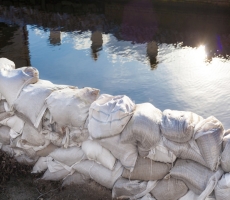
Another affordable way to protect your home is to use sandbags around vulnerable areas, such as doorways, garages, and low windows. Sandbags can help redirect shallow runoff, block low openings, and buy you time to move belongings to higher ground. However, they are not watertight and cannot stop rising floodwater or water backing up through floor drains—you can place sandbags on top of drains to help slow it down. The County of San Diego, Cal Fire, and other local municipalities often offer free sand and sandbags at various locations across the region. If you want to do it yourself, the County News Center has an instructional video on how to properly fill and use sandbags.
Another important step is to take a moment to document your belongings. Take photos or videos of both the inside and outside of your home, apartment, or business. Don’t forget to document what’s inside each closet, cabinet, storage shed, etc. This will help with any insurance claims you may need to file if items are lost or damaged due to a flood.
Additional Flood Preparations
If you have the time and resources, consider making additional improvements to your home that can help reduce the chances of flood damage. Flood vents, for example, can protect foundation walls during a flood by equalizing the water pressure on both sides to prevent it from collapsing. Installing backwater valves can prevent sewage from backflowing into the house from drains while installing a sump pump can pump modest amounts of water out of your basement, crawl space or other low-lying areas.
Flood Insurance
Most homeowners’ insurance policies do not cover flood damage. However, the National Flood Insurance Program offers flood insurance for homeowners, business owners, and renters. Having coverage could help speed up your recovery from a flood. Keep in mind that new policies typically have a 30-day waiting period before coverage begins, so it’s best to plan ahead.
Helping Your Neighbors
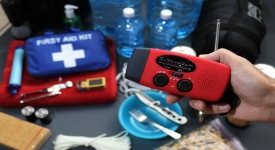
Once your preparations are in place, take a moment to consider which of your neighbors may need additional support to get ready. Older adults may need assistance moving sandbags, while families with children, and pet owners may need additional time to plan for their loved ones and animals. Offering a helping hand before a storm and checking on neighbors during severe weather can help everyone stay staff!


 Climate Action Links
