




SALC 2.0: Key Findings & Actions to Protect Local Agriculture
07/24/26

The County of San Diego (County) is pleased to announce that the Sustainable Agricultural Lands Conservation (SALC) 2.0 Final Report is now available. This multi-year agricultural conservation planning effort provides a look at the economic challenges facing local agriculture and identifies practical strategies to support a more resilient future.
What is SALC 2.0?
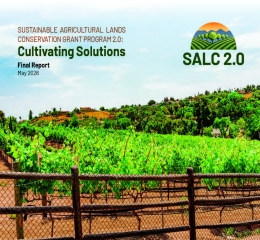
SALC 2.0 is a collaborative grant project between the County’s Planning & Development Services Department (PDS) and the San Diego County Local Agency Formation Commission (LAFCO), with funding from a California Sustainable Agricultural Lands Conservation Program Planning Grant. As the name suggests, SALC 2.0 is the second Planning Grant awarded to LAFCO. The first effort, called the San Diego Agricultural Planning Program, was completed in 2023 in partnership with the Resource Conservation District of Greater San Diego County and recommended additional economic analysis on the costs and benefits of small farm in the region.
SALC 2.0 strives to do just that. It includes a Market Analysis to identify major cost centers and profitability across all agricultural operations, with an emphasis on small farms; a Gap Analysis that focused on profitability of four focal crops (avocados, lemons, strawberries, and tomatoes); and a Strategic Action Plan for how municipalities and public agencies can increase the viability of agriculture in the region.
Key Economic Findings
SALC 2.0’s economic analyses identified that rising labor and water costs, market pressures, and regulatory complexity continue to make it difficult for small farms in San Diego County to remain profitable. Some key findings from the analysis are:
- San Diego region’s agricultural sector is facing sustained declines in both the number of farms and total acreage in production.
- Operating expenses have increased across most categories over the past two decades. Labor expenses represent the largest cost component for many farms.
- Average operating profit margins are about 13%, well below the 25% threshold commonly associated with financial health for farms.
- Avocados were highly sensitive to water costs, yield variability, and market price fluctuations, with declining yields exacerbating cost pressures.
The project also included the development of the Agricultural Profitability Assessment Tool, or AG-PAT. This Excel-based tool allows agricultural producers of the four focal crops to input their operating costs and yields to get an estimate of their annual net returns per acre.
Strategic Action Plan
The Strategic Action Plan provides practical actions that local public agencies, regional partners, and support organizations can take to strengthen agricultural sustainability. It includes 19 Strategic Actions, or “Tools,” organized around four main goals, or “Seeds:”
- Improve infrastructure and support systems
- Grow consumer awareness and demand
- Cultivate a supportive policy environment
- Strengthen regional alignment and advocacy
The Strategic Action Plan was informed through the economic analyses, stakeholder input, and best practice research. Together, this framework is designed to move SALC 2.0 from analysis to action, offering a practical roadmap to strengthen the economic sustainability of small farms while supporting a resilient regional agricultural economy.
Community‑Driven Planning
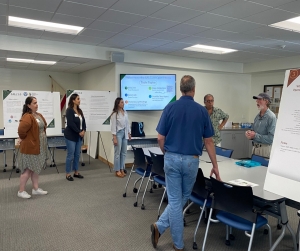
Community and stakeholder input played a central role in shaping the deliverables of SALC 2.0. Producers, partner organizations, and agency staff participated in workshops, open houses, working group meetings, public review periods, and a solutions‑focused forum. Engagement was designed to be accessible and inclusive, helping ensure the Final Report reflects real‑world needs and conditions. A complete summary of the input received is included in the Community Input Summary (Appendix A) of the Final Report.
What’s Next?
PDS formally shared the SALC 2.0 Final Report with the Board of Supervisors through a Board Memo on June 17, 2026. While SALC Planning Grants do provide funding for agricultural conservation planning efforts, they do not finance implementation. Additionally, the Board Memo included an analysis that identified existing County efforts (Attachment B) that align with the Strategic Action Plan. This will help the County leverage existing efforts to move the Strategic Actions forward while County staff identify additional funding opportunities.
Our grant partner LAFCO has also moved to formally provide the
Final Report to the LAFCO commission at the LAFCO Commission Hearing
on June 15, 2026 (Item 7c). Along with
developing an annual progress report, LAFCO will explore expanding
agricultural analysis in their planning efforts and assess the
feasibility of a Regional Agricultural Water Advisory Committee to
help address water affordability and efficiency issues.
As the
region moves forward, SALC 2.0 offers a strong roadmap for supporting
a more resilient future for local agriculture. The County looks
forward to continuing to work alongside producers, public agencies,
and community partners to build on current efforts and put these
strategies into action.
Read the full SALC 2.0 Final Report and Board Memo on our website to explore the findings and recommended actions.


 Climate Action Links