




Salt Marsh Mosquitoes
The Vector Control Program (VCP) is aware of the increased salt marsh mosquito activity currently affecting areas near coastal lagoons. We are actively responding by increasing mosquito surveillance, conducting targeted larval control treatments, and closely monitoring mosquito populations to reduce impacts on the community. Mosquito activity may remain higher than normal due to continuing tidal elevations in the salt marshes. In response, our staff continues to actively monitor mosquito activity and treat affected areas as conditions allow. These efforts are ongoing and are focused on reducing mosquito populations and minimizing impacts on nearby residents.
Salt marsh mosquitoes are among the most aggressive daytime-biters, but they do not transmit diseases in San Diego County. Their populations can increase rapidly after exceptionally high tides flood coastal wetlands, creating ideal breeding conditions.
To help protect residents and visitors, the VCP proactively monitors and treats coastal wetland habitats to reduce mosquito populations before they become a nuisance. Through ongoing surveillance, targeted control efforts, and public education, the VCP works year-round to minimize the impacts of salt marsh mosquitoes while supporting the health of San Diego County's coastal ecosystems.
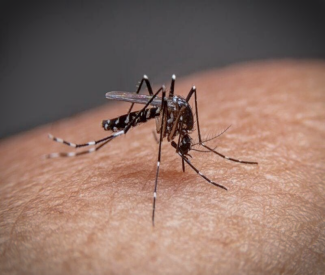
Black salt marsh mosquito (Aedes taeniorhynchus)
The black salt marsh mosquito is a small- to medium-sized species commonly found in coastal salt marsh ecosystems. It is an aggressive biter that readily feeds on mammals, including people, throughout both the day and night. Although these mosquitoes can be a significant nuisance, they are not considered an important vector of human disease in our region.
This species breeds in shallow pools of brackish water that form along the inland edges of coastal salt marshes following exceptionally high tides. Tides exceeding approximately six feet flood these areas and trigger eggs deposited on moist soil to hatch. Warm temperatures create ideal conditions for larval development.
Adult black salt marsh mosquitoes are powerful fliers and can travel more than 10 miles from their breeding sites, allowing them to impact inland communities far from the coast. Because mosquito populations increase after periods of exceptionally high tides, Vector Control technicians routinely monitor and treat coastal salt marsh habitats to reduce mosquito production before adults emerge.
Control
The VCP control team proactively treats brackish water breeding habitats by hand one to two times per month, depending on the predicted high tide schedule. During peak mosquito season, aerial larvicide applications are conducted monthly to supplement ground treatments and provide additional control in large or difficult-to-access coastal wetlands.
Surveillance
The VCP conducts mosquito surveillance every other week by placing traps throughout coastal areas to monitor mosquito abundance and activity. Collected mosquitoes are submitted to and identified by vector ecologists where they track population trends. This ongoing surveillance helps guide control efforts and provides early detection of potential public health threats.
 858-694-2888
 Popular Services


