




Youth Transition Campus
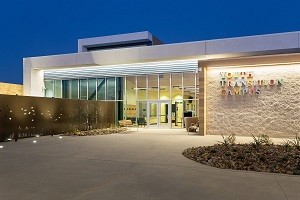
The Youth Transition Campus (YTC), located in the Birdland suburb of San Diego and opened in February 2022, is a therapeutic, open‑setting environment intentionally designed to resemble a college campus. The campus includes a school yard with classrooms, a gymnasium, an amphitheater, and a support services area featuring the Visiting Center, the Commons (resident dining), and a state‑of‑the‑art kitchen. The detention side of YTC contains six housing units, each with 12 sleeping rooms, for a maximum of 72 youths. The commitment side of YTC contains eight housing units, each with 12 sleeping rooms, for a maximum capacity of 96 youths. Residents are assigned to housing units based on classification factors such as commitment length, age, and gender identity to ensure the safety and well‑being of all youth.
YTC serves male and female youth committed to Urban Camp, the Youthful Offender Unit (YOU-females), or the Healing Opportunities for Personal Empowerment (HOPE) Program (males), with commitment lengths ranging from 85 days to 480 days. Gender‑responsive and trauma‑informed practices are central to the rehabilitative mission of the campus. Through a collaborative, developmentally informed, and restorative approach, YTC aims to equip residents with the training, skills, and support needed for successful reintegration into the community.
Youth at YTC have access to comprehensive education services and Career and Technical Education (CTE) opportunities through the SOAR Academy, including Culinary Arts, Building and Construction, and Graphic Arts. Residents also receive treatment‑focused programming such as Cognitive Behavioral Therapy, individual, group, and family counseling, as well as substance use disorder interventions. Group counseling emphasizes emotional regulation, distress tolerance, interpersonal effectiveness, and mindfulness. In addition, youth may participate in enrichment activities such as restorative circles, creative expression, and outdoor engagement, all designed to foster healing, personal responsibility, and pro‑social identity development. Programming and interactions throughout YTC are guided by trauma‑informed care, evidence‑based practices, and the Youth in Custody Practice Model (YICPM), ensuring consistent support for positive youth development.
As the County’s primary intake facility for justice‑impacted youth, YTC also provides integrated medical and behavioral health services to support rehabilitation and continuity of care. Through the CalAIM Justice Involved Initiative, youth released from YTC receive a coordinated transition‑of‑care plan that promotes stability and successful reentry. This includes a 90‑day supply of prescribed medications, direct connections to community‑based behavioral health services, assignment to a managed care provider for ongoing medical and dental care, and linkage to an enhanced care manager who assists youth and their families with navigating appointments, addressing social needs, and securing housing and food resources.
New Youth Transition Campus Completed


 Popular Services
