




Prepare Today for Tomorrow’s Emergencies
04/21/26

Written by Craig Reed, field supervisor for Border Region (Imperial and San Diego counties) with the Climate Resilience and Disaster Preparedness Program at CORE.
CORE (Community Organized Relief Effort) is a nonprofit humanitarian organization that responds to disasters around the world. We deliver life-saving resources in the immediate aftermath – and empower communities to be self-reliant in the long run.
San Diego County saw record rainfalls not that long ago that threatened to flood many of our homes with the storm itself, causing power outages in more rural areas. More recently, scorching, unseasonable temperatures have made outdoor activities and living in homes without air conditioning hazardous – especially for our seniors and young children.
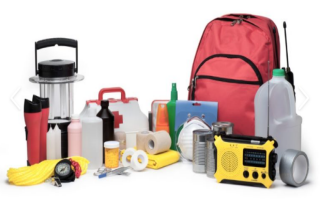
These weather events serve as reminders of how important it is to be prepared in case an emergency does arise in our community. The inconvenience of having your power out for a few hours at home or sweating through an unusually hot day can easily become more serious and impactful – requiring us to take action to keep our families and our homes safe.
Fortunately, there are five simple steps we can follow to ensure we and our loved ones are prepared for the next disaster or emergency.
#1 – Get Alerts
News websites, social media, and radio stations can be useful sources of information if you want to verify that something you’ve noticed is indeed an issue in your neighborhood. Alerts, however, can notify you of emergencies when you’re focused on other things or wake you up in the middle of the night for situations that require your immediate attention.
You can sign up for alerts by going to CalAlerts.org,
clicking on “Sign Up” and then selecting the county you live in. If
you prefer downloading an app on your phone, those who live in San
Diego County can download “Alert San Diego” from the app store of your
choice. This will provide you with most of the alerts you’ll probably
want. Other apps such as Genasys Project, PulsePoint,
and Watch
Duty, are worth exploring as well.
#2 – Have a Plan
Who are the people you might need to contact in case of an emergency? Where should the family meet up if something happens while everyone is away from home, using a cell phone, or returning home is not possible? These are just some of the questions you’ll want to ask yourself as you create your plan.
Make a list of names of those you would want to check on in case of an emergency or a weather event. Consider making a list of out-of-town contacts you can reach out to in case you need to relocate to a safer place.
In addition, it's helpful to have contact information for local government agencies and utility companies (e.g., fire department, police, power company, gas company, and water company to name a few), as well as local nonprofits that support families during an emergency.
As part of your plan, make sure you identify multiple safe places you can relocate to should your home, work, or school be affected by a disaster. Be certain to print out maps to each location, so you’ll be able to navigate them even if there is no cell phone coverage in your area.
#3 – Build a “Go Bag”

A Go Bag has all the essentials you’ll need should you need to leave your home for a safer place. Copies of your identification and insurance, as well as other key documents such as deeds and titles, should be in it, along with some cash, medication lists, a phone charger, keys, and masks. If you have a few extra dollars to spend on your Go Bag, including a flashlight, portable radio, first aid supplies, water, and some nonperishable food items, can be helpful.
#4 – Create a “Stay Box”
If staying home is the safest option during an emergency, you might not have running water or electricity to cook food, take a shower, or flush the toilet. Ideally, have three gallons of water per person in your Stay Box for drinking and washing. Store enough non-perishable foods you like to feed yourself and your loved ones for three days or longer. Don’t forget your pets and their needs. Lastly, set aside some plastic bags, twist ties, and a bucket so you can make an emergency toilet.
#5 – Help Others in Your Neighborhood

Immediately after a disaster, you and your neighbors will be supporting each other as you assess the damage and start cleaning up. Get to know your neighbors and exchange contact information if you don’t already have it. Be mindful of neighbors who might be less able to help themselves. It may be days or even weeks before government agencies and nonprofits can reach you to provide support if the emergency affects most of the region.
Conclusion
Every place has disasters from time to time, and the types of emergencies (e.g., wildfire, flooding, extreme heat, etc.) will be a little different for each community. Fortunately, these five steps can help you be prepared and keep yourself and your family safer during a disaster in your area.
Before you start your day, please review the steps listed above and
pick one to work on right now. Just downloading one app or taking five
minutes to gather a handful of items into a bag or an unused backpack
makes you and your family that much more ready for the next storm,
power outage, or wildfire.
For more resources, check out
the state’s Disaster Preparedness Guide or the San Diego County Disaster Guide, which is
especially useful for families who have someone who needs additional
support.


 Climate Action Links