




Species Spotlight: American Peregrine Falcon
04/21/26

The American Peregrine
Falcon is one of the most recognizable birds of prey in San Diego
County. Known for its remarkable speed and powerful hunting abilities,
the peregrine falcon is widely considered the fastest bird in the
world. Because of its ecological importance and past population
declines, the peregrine falcon is included as a covered species under
the County of San Diego’s Multiple Species Conservation Program (MSCP) South
County Subarea Plan. The MSCP protects San Diego’s native plants
and animals by conserving large, connected preserve areas through land
acquisition and management. These coordinated conservation efforts
help ensure that species like the peregrine falcon can continue to
thrive in the region’s diverse habitats.
Habitat and Biology
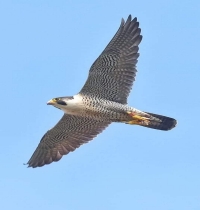
Peregrine falcons are widely distributed throughout North America. In San Diego County, they are often observed along coastal cliffs, rocky canyons, and other elevated areas that provide suitable nesting locations. In some urban areas, peregrine falcons have adapted to nesting on tall buildings and bridges that resemble their natural cliffside habitats.
These birds are well known for their speed. Peregrine falcons typically cruise at speeds between 24 and 33 miles per hour, but they can accelerate significantly while pursuing prey. During hunting dives, known as stoops, peregrine falcons descend rapidly toward their target, allowing them to capture birds in midair with impressive precision.
Protection Status
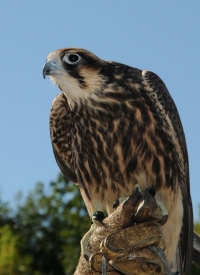
Peregrine falcon populations declined dramatically during the mid-20th century due to the widespread use of pesticides such as Dichlorodiphenyltrichloroethane (commonly referred to as DDT). These chemicals weakened eggshells and caused significant reproductive failure in many bird species. As a result, peregrine falcons were once listed under the federal Endangered Species Act.
Following decades of conservation efforts and the banning of harmful pesticides, populations gradually recovered and the species was removed from the federal endangered species list in 1999. Despite this recovery, peregrine falcons still face ongoing threats, including habitat loss, human disturbance near nesting sites, and environmental pressures such as drought, wildfires, and extreme weather that affect prey availability and nesting success. This is why peregrine falcons are included as a covered species under the County of San Diego’s MSCP South County Subarea Plan. This conservation program seeks to protect animal and plant species by conserving large, connected preserve areas through land acquisition and management.
In 2024, the American Peregrin falcon was observed in four County Preserves and approximately 55% of the known species locations within the MSCP Plan boundaries have been conserved. These known species’ locations typically include coastal wetlands, riparian and lake habitat. By conserving peregrine falcon habitat in the MSCP South County Subarea plan, the County can help ensure that peregrine falcons continue to thrive in the region. Ongoing monitoring and habitat management remain important tools for protecting this iconic raptor and supporting biodiversity across San Diego County.


 Climate Action Links