




San Diego Solar Equity Program - County Pilot
Project Contact: America Aceves | America.Aceves@sdcounty.ca.gov
For further information, please visit: https://sdsolarequity.org/
Understand if You Qualify for a Solar Installation Incentive
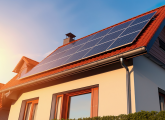
The County of San Diego, with funding from the Department of Energy’s Energy Efficiency and Conservation Block Grant, is offering a solar incentive pilot program. The San Diego Solar Equity Program - County Pilot (SDSEP - County Pilot) offers monetary assistance to offset the installation cost of a solar panel system to income-qualified, single-family standalone and duplex, triplex, or quadplex homeowners residing in disadvantaged communities within the unincorporated areas of San Diego County.
Do I Qualify?
To be eligible, you must meet all the eligibility requirements:
Property Type: Owner-occupied, including stand-alone, duplex, triplex, quadplex, mobile, or manufactured homes.
Household Income: Total household income within the listed limits (less than 120% of the Area Median Income). For example, the income limit for a family of four is $157,100.
Home Address: Located in a “disadvantaged community” per the Climate and Economic Justice Screening Tool within an unincorporated area of San Diego County. These eligible areas are shown in the darker blue shaded areas of the map below.
If you need help determining if your address is in an eligible area, please reach out to sdsolarequity@energycenter.org.
1
2
3
4
5
6
7
8
$109,950
$125,700
$141,400
$157,100
$169,650
$182,250
$194,800
$207,350
How Do I Begin?

Homeowners: If you meet all the eligibility criteria, contact one of the eligible Solar Contractors listed on the SDSEP website. The Program Handbook includes tips on selecting a Solar Contractor in Appendix 5. The Solar Contractor you select will assist you in the next steps of the application and approval process.
Solar Contractors: Becoming an eligible Solar Contractor for the SDSEP - County Pilot is simple. For more information on eligibility requirements and how to become an eligible Solar Contractor, visit the website.
Questions? Visit the website sdsolarequity.org or send an email to sdsolarequity@energycenter.org.
If you do not qualify for an incentive through SDSEP - County Pilot, but you are interested in energy efficiency savings, check out the programs below.
- San Diego Community Power (SDCP) Solar Battery Savings Program: Receive rebates and incentives to either install a new solar and battery system or add battery storage to your existing solar system.
- Energy Savings Assistance Whole Home Program: Qualified homeowners and renters may receive energy-saving upgrades at no cost if they meet eligibility requirements.
- Energy Bill Assistance Programs: A variety of assistance programs offered to SDG&E customers, including bill discounts, payment arrangements and debt forgiveness, are available to those who are struggling to pay their utility bill.
- Energy Savings Assistance Program: Income-qualified SDG&E customers, whether they own or rent, could be eligible to receive no-cost energy-efficient products and installations, such as smart thermostats, attic insulation, energy-efficient lighting, weather-stripping for doors, low-flow showerheads, and water heater blankets.
- Equitable Building Decarbonization Program (EBD): Offers no-cost electrical appliance home upgrades such as heating and cooling, water heating, cooking, laundry, and home.
- Golden State Rebates: This state-wide program offers instant rebates ranging from $20 to $500 for high-efficiency products, such as smart thermostats, room air conditioners, and heat pump and gas tank water heaters.
- Home Energy Checkup: Take this 5-minute survey to help you identify key energy inefficiencies in your home that could be costing you money.
- Residential Energy Solutions: This SDG&E program provides no-cost energy efficiency upgrades for both renters and homeowners, including smart thermostats, high-efficiency brushless fan motors, pipe wrap, thermostat shower valves, low-flow faucet aerators and shower heads.
- Self-Generation Incentive Program (SGIP): This program helps California residents and business owners pay for clean and efficient energy technologies (including energy storage) that lower greenhouse gas emissions and reduce on-site electric demand.
- Solar on Multifamily Affordable Housing (SOMAH) Program: This program provides financial incentives for installing solar panel systems that benefit both low-income tenants and property owners throughout California.
- Home Hardening Initiative California Wildfire Mitigation Program: The program provides financial assistance to qualifying low-and moderate-income (LMI) households to create defensible space or make safety improvements to their home.
Stay Connected
Subscribe to the CAP e-Newsletter
or learn more about CAP projects. You can also visit the Center for Sustainable
Energy’s website.


 Climate Action Links