




About Legionnaires’ Disease (Legionella)
Page last updated 4/29/2026.
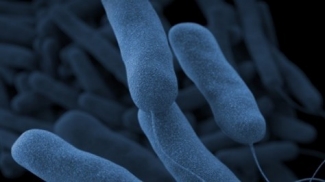
Legionnaires’ disease is a serious lung infection caused by Legionella bacteria. Most healthy people exposed to Legionella do not develop Legionnaires’ disease. But some people, including adults over the age of 50, current and former smokers, and people with certain chronic health conditions (such as chronic lung disease, cancer, diabetes, kidney or liver failure) are at higher risk of getting Legionnaires’ disease.
On this page:
The best way to prevent disease is to stop Legionella from growing and spreading.
- In buildings and public hot tubs: Owners can use a water management program.
- At home: Flush faucets and showerheads after not using them and after water pressure drops. Clean and maintain devices that use water, such as portable humidifiers, CPAP machines, and neti pots or nasal rinses.
- In motor vehicles: Use a windshield cleaner fluid only.
Legionella are a bacterium that live in freshwater environments, such as lakes and streams. They can be dangerous when growing in human-made water sources, like:
- Showerheads and faucets
- Cooling towers (used to cool air in large buildings or factories)
- Fountains
- Hot tubs
- Water heaters and tanks
- Large plumbing systems
Breathing in small water droplets or mist from these sources can lead to a lung infection. The severe form is called Legionnaires' disease. The milder form is called Pontiac fever.
Legionnaires’ disease does not spread from person to person.
The symptoms are similar to other types of pneumonia. Symptoms include:
- Cough
- Fever
- Headaches
- Muscle aches
- Shortness of breath
Other symptoms, such as confusion, diarrhea, or nausea can also occur.
Symptoms can start 2 to 14 days after contact with the bacteria.
Legionnaires’ disease can be seen on a chest x-ray. To confirm that the cause is Legionella, doctors may use:
- A urine (pee) test
- A test of phlegm (mucus) from the lung.
Treatment is with antibiotics. Most people recover, but many need hospital care. In severe cases, it can lead to lung failure or death.
Local
State
Federal
Contact the Epidemiology Unit at (619) 692-8499, or send an e-mail, for more information


 Popular Services