




Learn about our Green Infrastructure Projects
The Program is funded by the County of San Diego Watershed Protection Program, who works to prevent pollutants from entering our waterways.

What is 'Green Infrastructure'?
Green infrastructure incorporates natural materials and processes into urban landscapes to provide cleaner water, cleaner air, improved habitats and ecosystems, and flood protection.
Green infrastructure has many co-benefits, such as reducing erosion, providing habitat, greening pedestrian walkways, beautifying neighborhoods, mitigating and adapting to climate change, and more.

The County's Green Infrastructure Program implements green infrastructure elements into projects designed to improve water quality by treating stormwater. These elements include:
Tree Wells
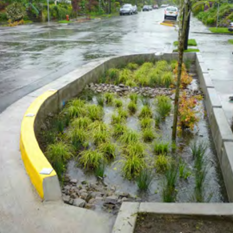
A tree well collects stormwater around a tree, letting it soak into the soil where the tree roots help filter out pollutants.
Dispersion Areas
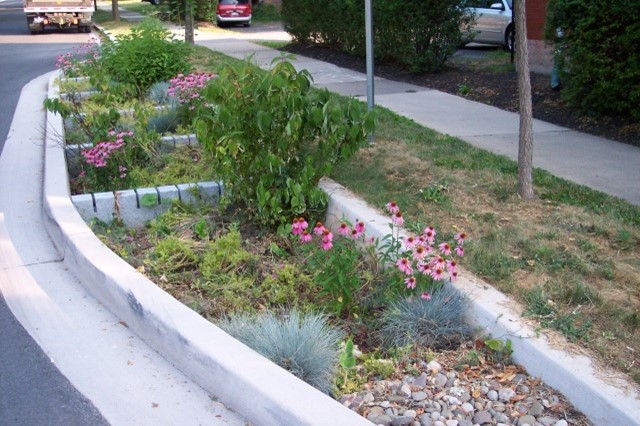
Dispersion areas spread stormwater across planted or grassy areas so it can soak into the ground and filter naturally.
Biofiltration Basins
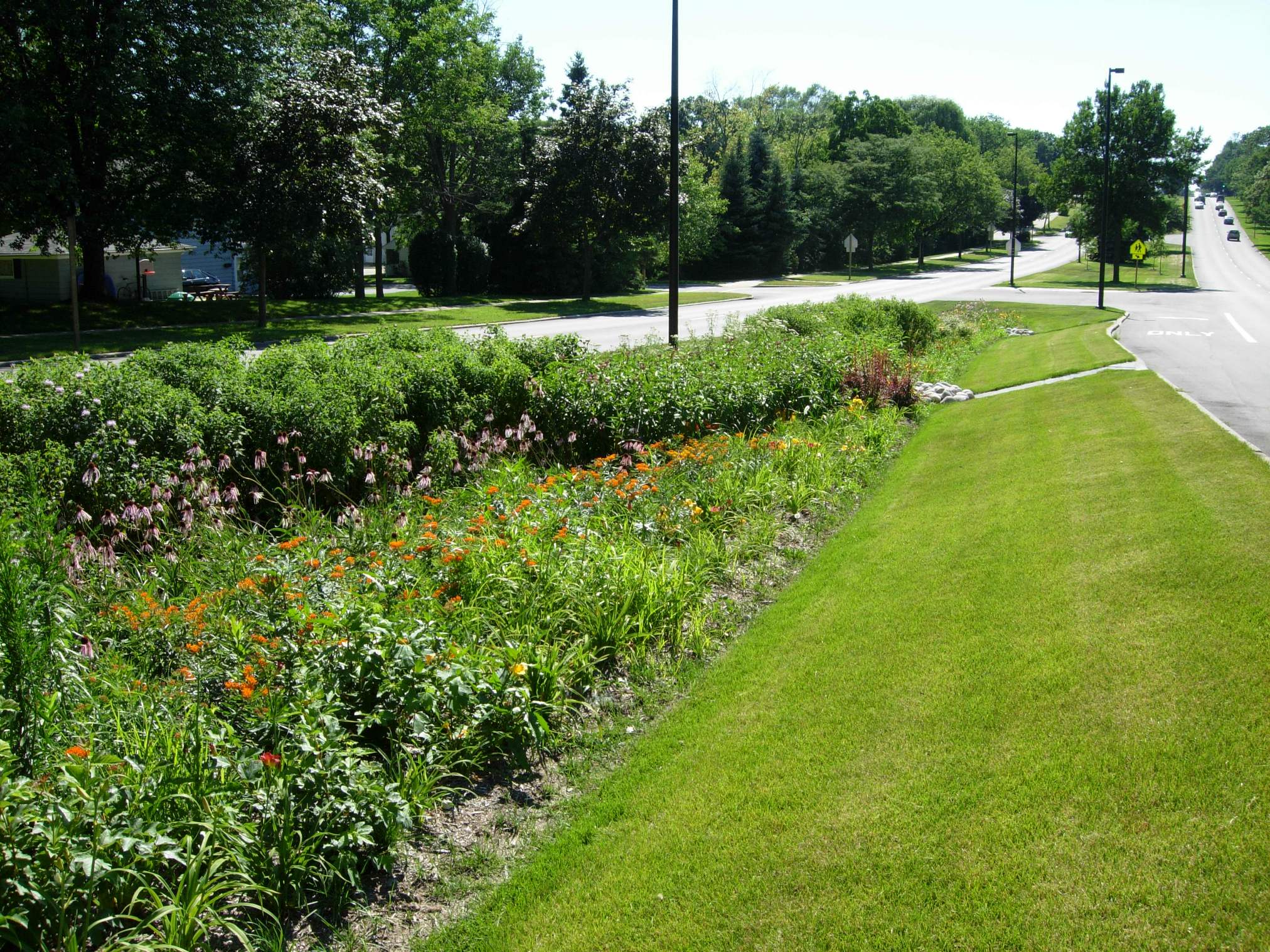
A biofiltration basin is a shallow, planted area that slows down stormwater and cleans it as it filters through soil and plant roots.
Modular Wetland Systems
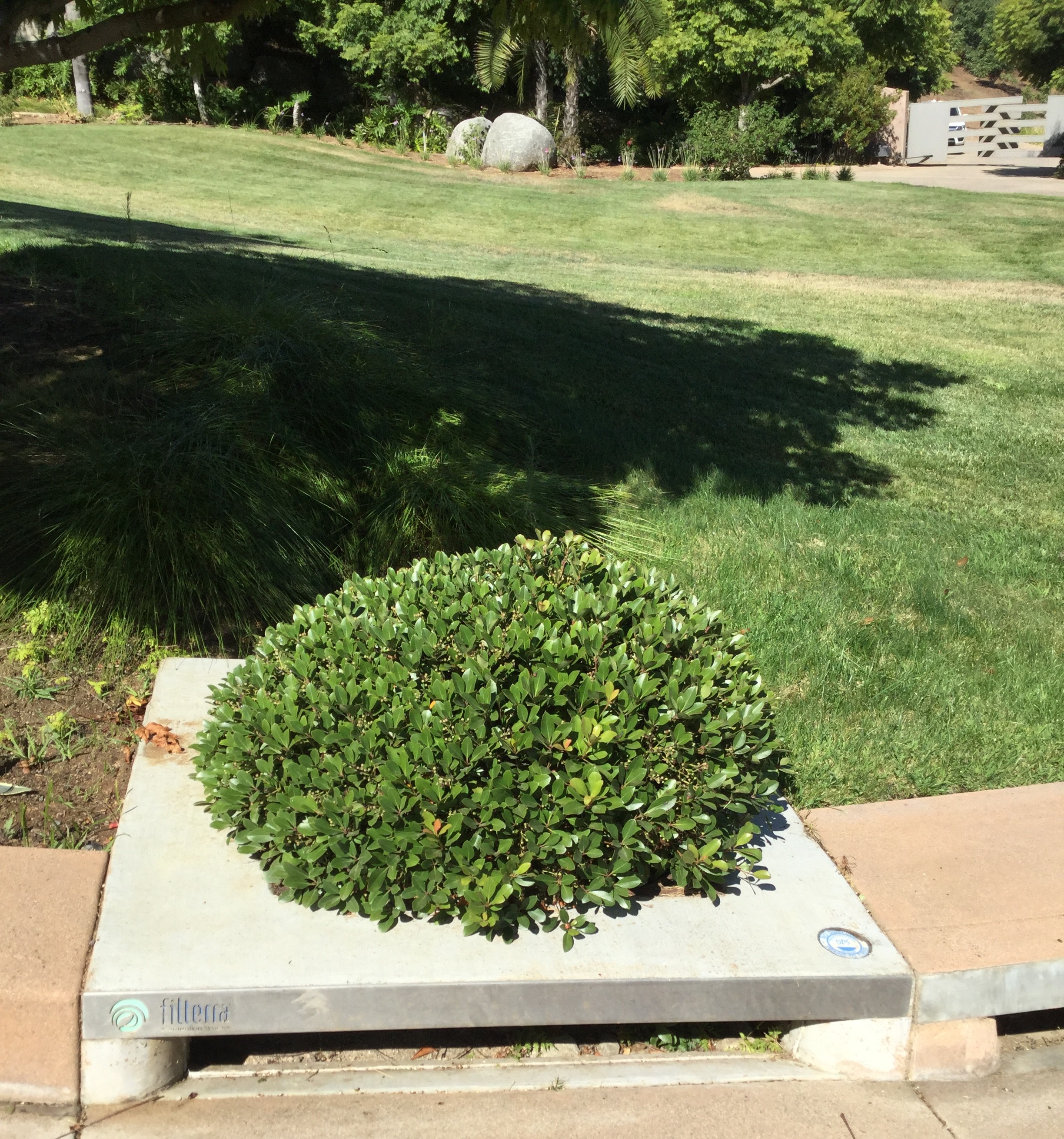
An underground modular wetland system filters stormwater through layers of soil and plants below the surface, removing pollutants before the water reaches storm drains.
Permeable Pavement
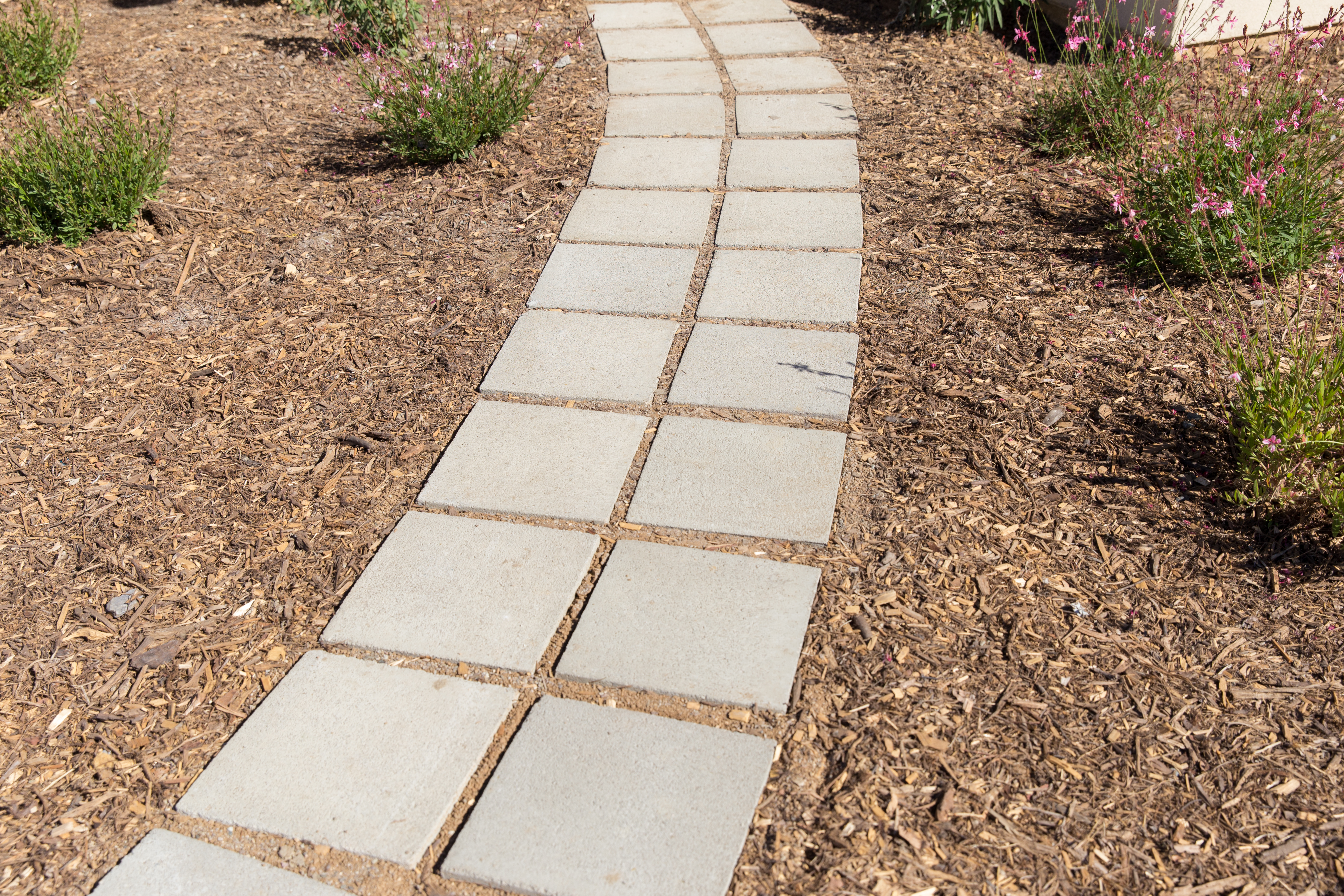
Permeable pavement lets rainwater pass through the surface and soak into the ground below, reducing runoff and filtering out pollutants.
Vegetated Swale
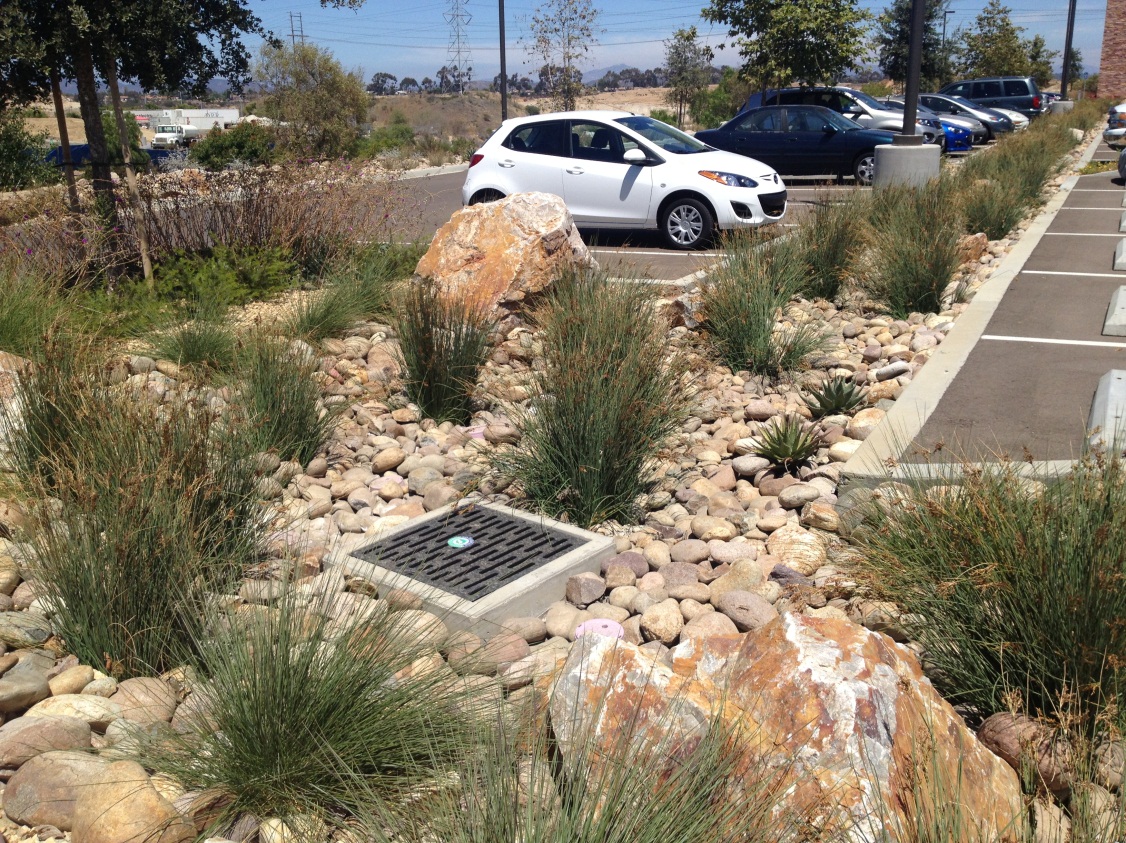
A vegetated swale is a shallow, planted channel that slows stormwater, allowing it to soak into the ground and be naturally filtered by plants and soil.

Green Infrastructure Program Highlights:
SIX completed projects
FOUR projects in construction
NINE projects in design



 Popular Services