




What is Green Stormwater Infrastructure?
Sign up for the Green Infrastructure Newsletter | Learn how Green Infrastructure is used in the Green Streets Clean Water Plan
Stormwater: Where Rain Meets the Road
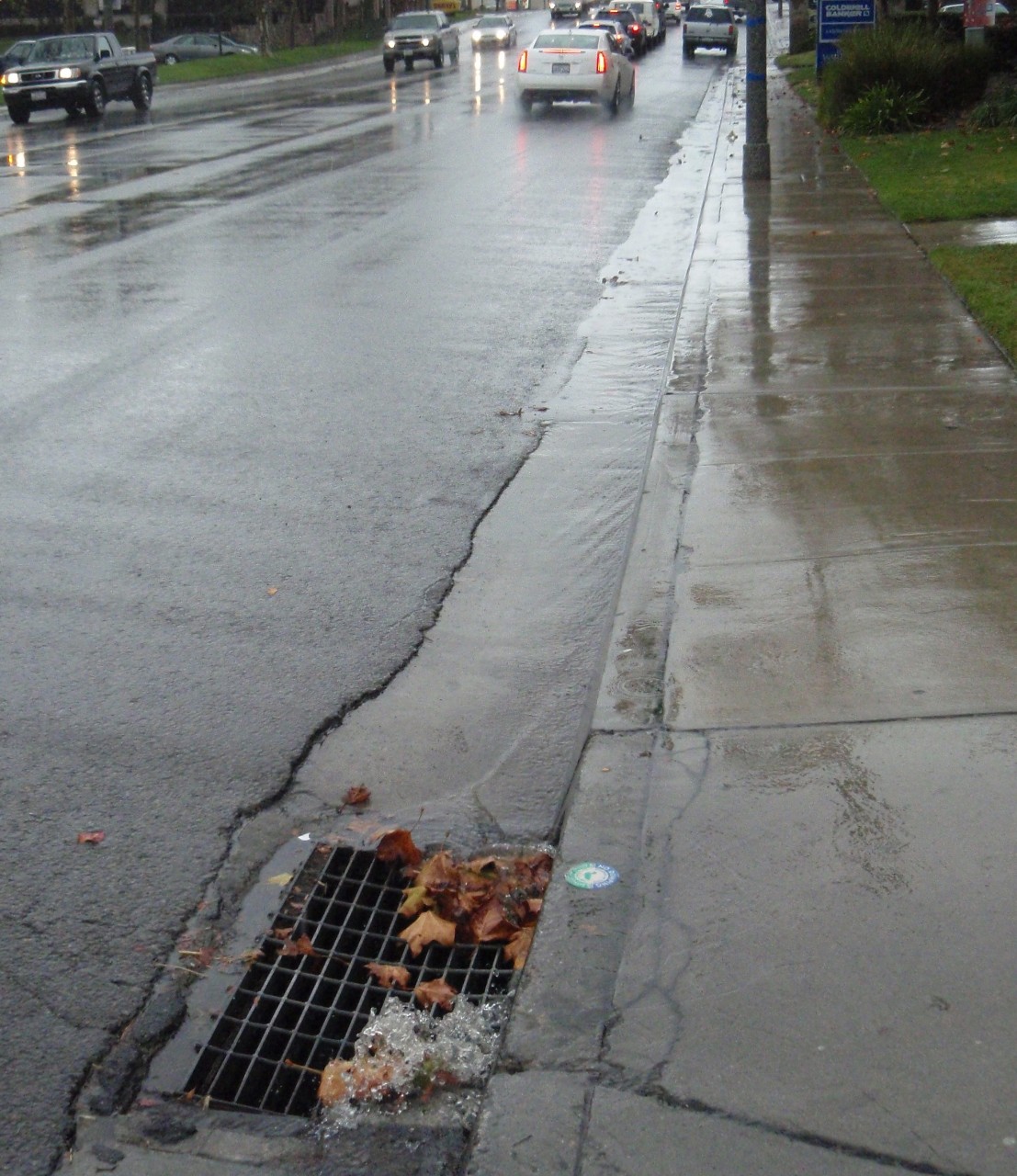
When it rains, water flows over streets, roofs, and sidewalks, picking up oil, trash, and other pollutants along the way. This is especially a problem in urban areas, where concrete and pavement replace natural landscapes that would normally let water soak into the ground. The farther this water travels across these hard surfaces, the more pollutants it gathers—and the dirtier it becomes. Eventually, this runoff makes its way into rivers, lakes, and oceans.
This runoff is known as stormwater, and it’s one of the major sources of pollution in our waterways.
Nature Knows Best!
Green infrastructure is designed to work like nature to slow down and clean stormwater. Plants, trees, and soil naturally absorb rain, trap pollutants, and filter water as it soaks into the ground. Roots help water move through the soil, where dirt, sand, and microorganisms break down chemicals and capture pollutants, keeping runoff cleaner before it reaches streams, rivers, and the ocean.
A Pit Stop for Rain
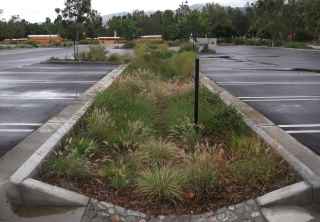
What may look like ordinary landscaping along roads or in parking lots is actually built to capture rain, filter out pollution, and protect local waterways. Green infrastructure gives stormwater a pit stop ! Plants, soil, and trees slow the water down and clean it before it continues on its way to our local streams, rivers, lakes, and coastlines.
See Nature at Work
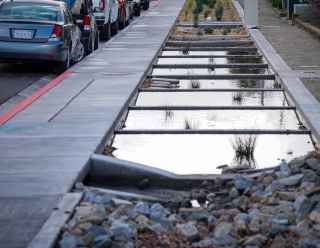
Examples of green infrastructure include tree wells that collect street runoff, planted medians and walkways that filter rain through soil and roots, and permeable pavements that let water soak into the ground instead of running off.
Tree Wells
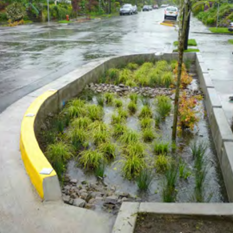
A tree well collects stormwater around a tree, letting it soak into the soil where the tree roots help filter out pollutants.
Dispersion Areas
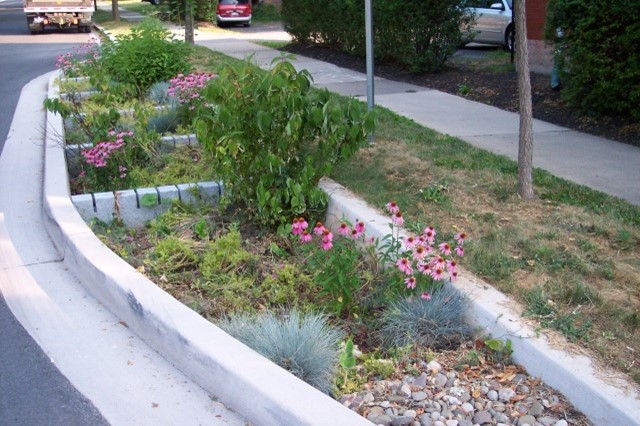
Dispersion areas spread stormwater across planted or grassy areas so it can soak into the ground and filter naturally.
Biofiltration Basins
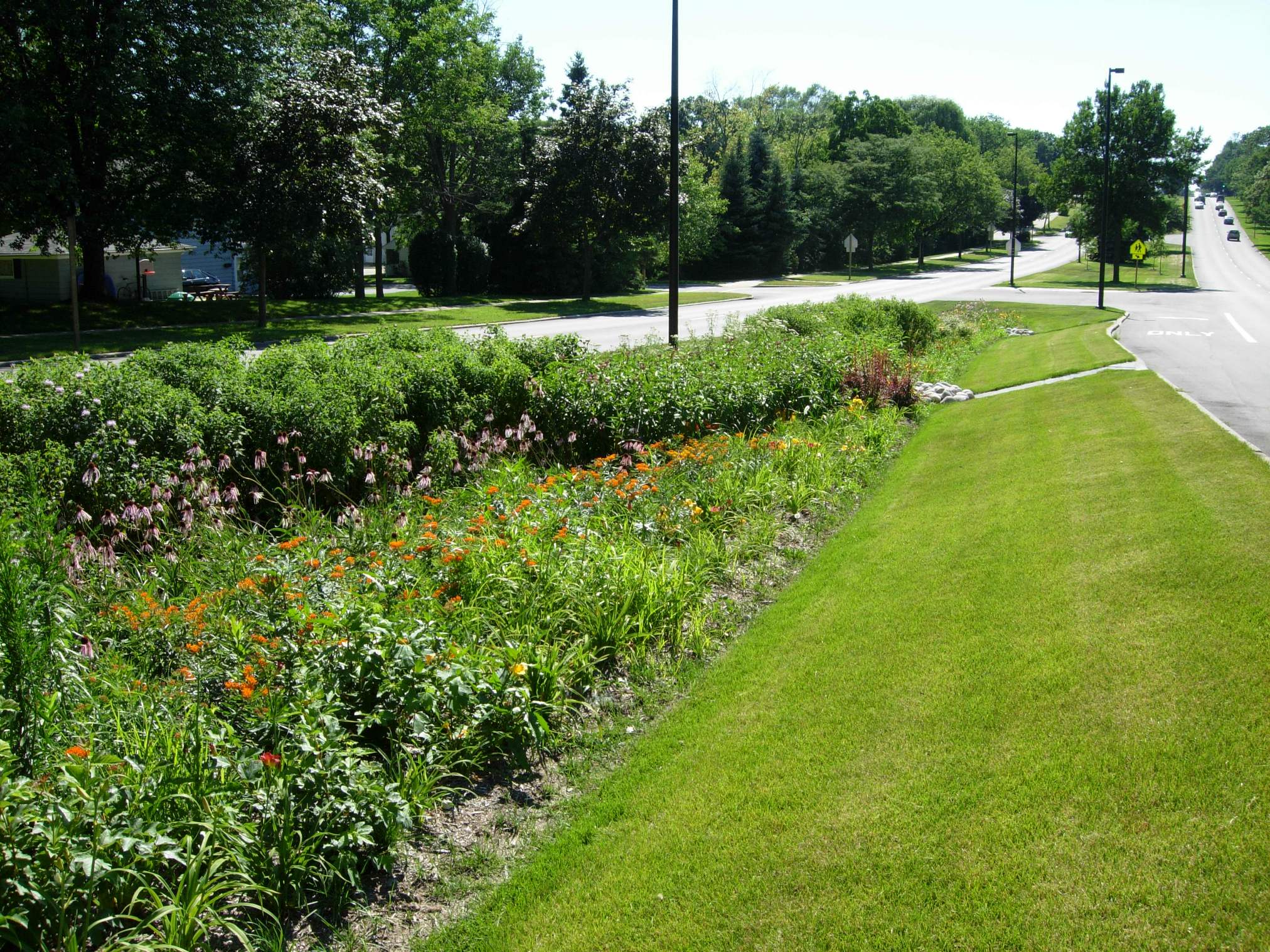
A biofiltration basin is a shallow, planted area that slows down stormwater and cleans it as it filters through soil and plant roots.
Modular Wetland Systems
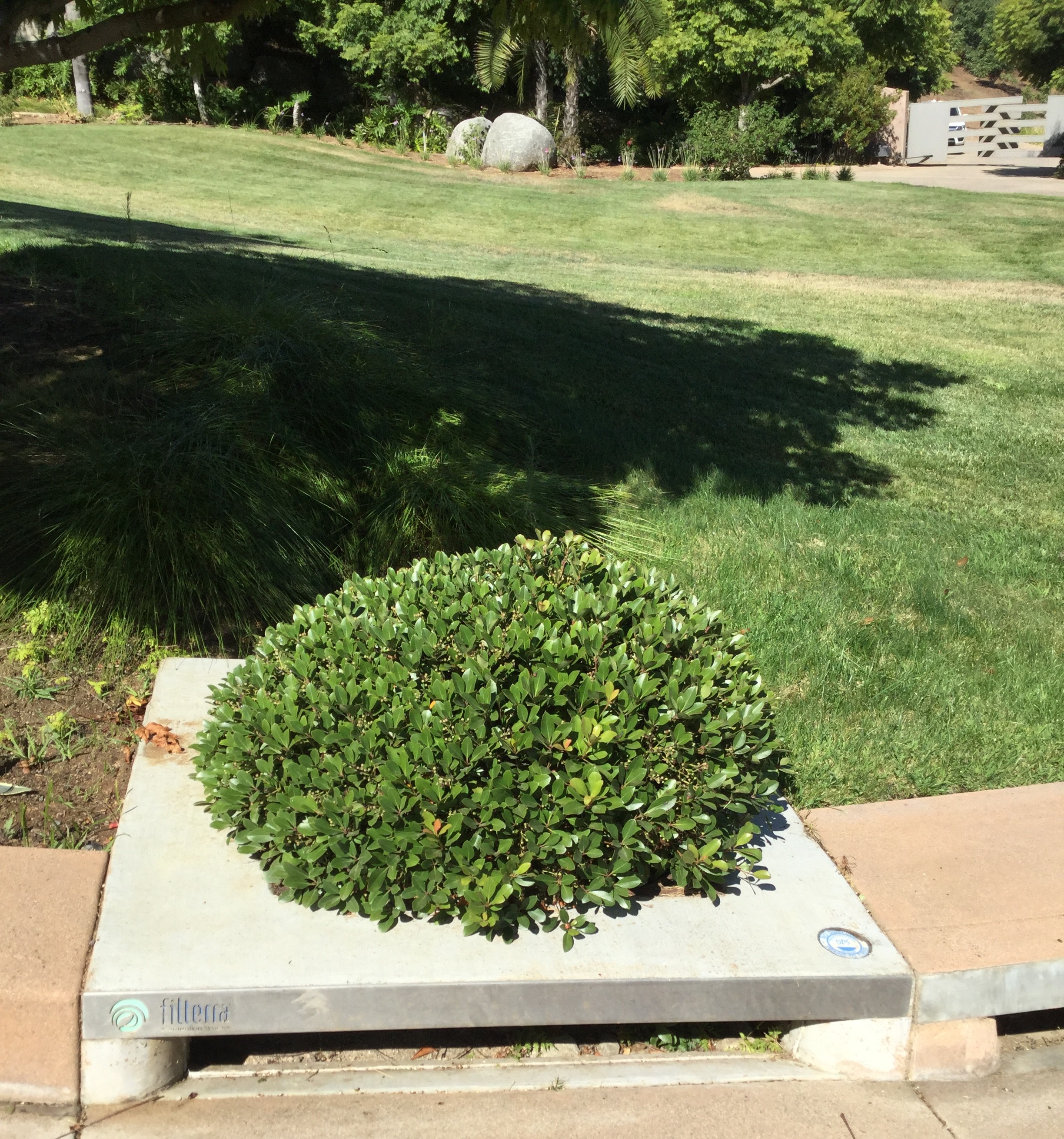
An underground modular wetland system filters stormwater through layers of soil and plants below the surface, removing pollutants before the water reaches storm drains.
Permeable Pavements
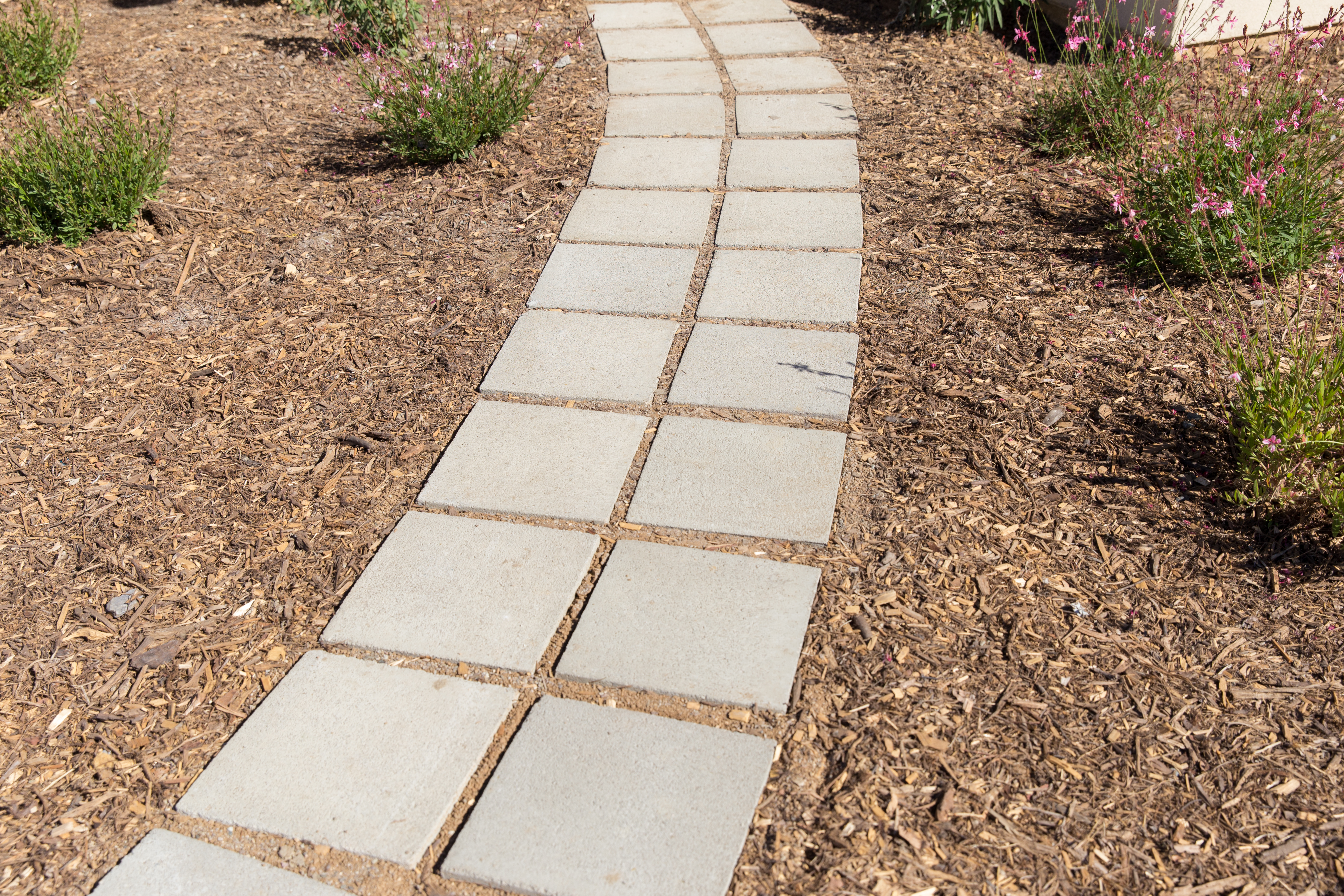
Permeable pavement lets rainwater pass through the surface and soak into the ground below, reducing runoff and filtering out pollutants.
Vegetated Swales
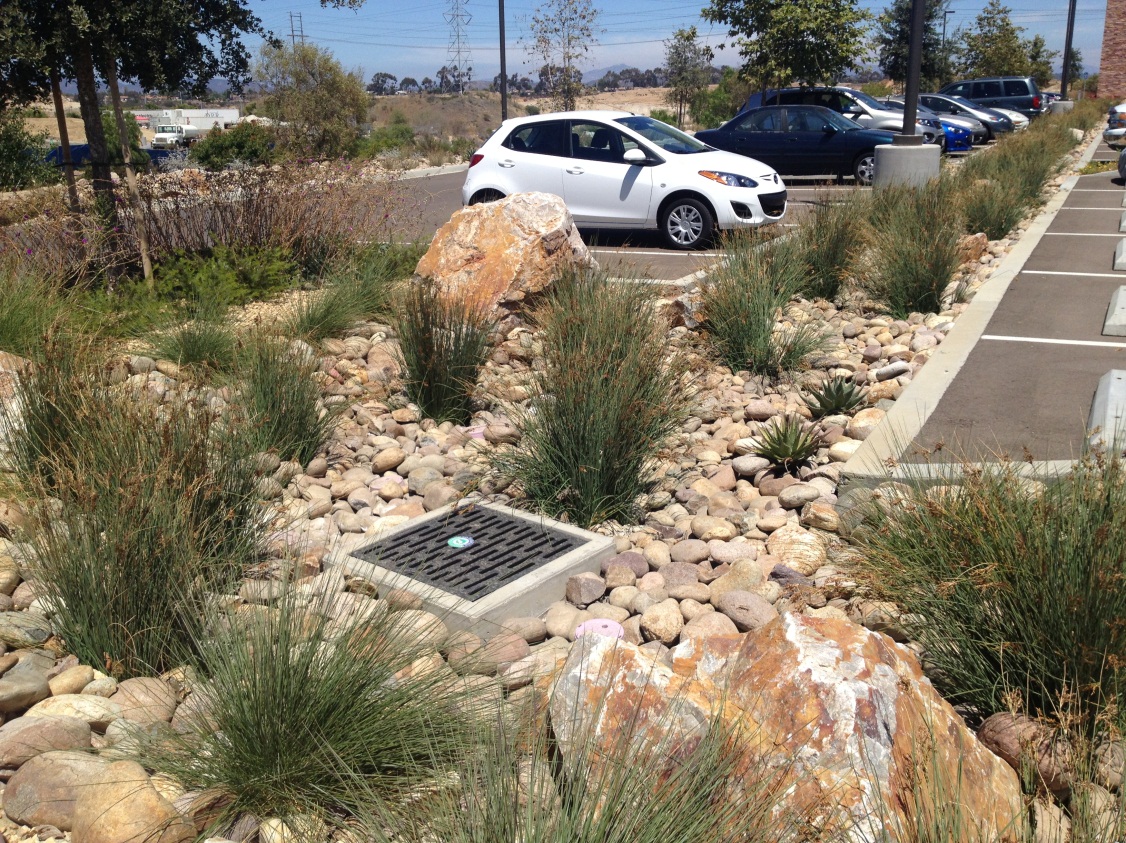
A vegetated swale is a shallow, planted channel that slows stormwater, allowing it to soak into the ground and be naturally filtered by plants and soil.
A Cleaner, Greener Future
Green infrastructure is one of the most effective ways to keep our waterways clean while bringing nature back into our communities. These solutions not only reduce pollution but also help cool cities, support local habitats, improve air quality, and make neighborhoods more resilient to climate change.
The County’s Green Infrastructure Program puts these ideas into action—check out our many projects to see how nature-based solutions are making a difference across the region.





 Popular Services