




Hepatitis B
Page last updated 1/12/2026
In alignment with leading medical, health, and patient advocacy groups, the County of San Diego affirms that vaccines are not linked to autism. We remain committed to ensuring residents continue to have access to safe and effective vaccines that are based on credible, transparent, and science-based evidence.
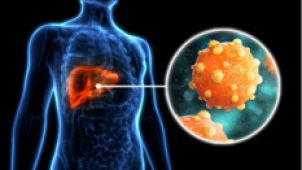
Hepatitis B is serious disease caused by a virus that attacks the liver. The hepatitis B virus (HBV) can cause lifelong infection and cirrhosis (scarring) of the liver which can lead to liver failure, liver cancer, and death. Hepatitis B vaccines give long-term protection against HBV and prevent serious infection.
On this page:
The hepatitis B vaccine is safe, effective, and the best way to prevent HBV. The hepatitis B vaccine is recommended for:
-
All infants at birth, 1-2 months, and 6-18 months.
-
All children and adolescents younger than 19 years who have not been vaccinated.
-
Adults aged 19-59 years.
-
Adults aged 60 years and older with risk factors.
HBV is primarily spread from contact with blood, semen, or other bodily fluids from a person infected with HBV. This can happen by:
- Sharing personal items such as toothbrushes, razors, or medical equipment (for example, glucose monitors) with an infected person.
- Sharing needles, syringes, or drug equipment.
- Having unprotected sex with an infected person.
- Having direct contact with the blood or open wounds of an infected person.
Babies and children can get hepatitis B from an infected family member or caregiver. The virus can be passed in several ways, including:
- During birth from an infected parent.
- Through a bite from an infected person.
- By touching open cuts or sores of an infected person.
- By sharing personal items, such as toothbrushes.
Even when an infected person has no symptoms, the virus can still be passed to others.
Many people with HBV don’t have symptoms and don’t know they are infected.
If there are symptoms with an acute infection, they can show up any time between 8 weeks to 5 months after exposure. Symptoms usually last several weeks, but some people can feel sick for as long as 6 months.
The symptoms of acute (short-term) and chronic (long-term) HBV can be similar. Symptoms can include:
- Feeling tired
- Fever
- Joint pain
- Loss of appetite
- Nausea, stomach pain, or throwing up
- Dark urine or light-colored stools
- Yellowing of the skin or eyes (jaundice)
Some people with chronic HBV do not feel sick until many years later when the liver is scarred and starts to fail.
All adults should get screened for HBV at least once in their lifetime through a blood test. There are also some people who should be tested more often, including:
- All pregnant people during each pregnancy.
- Infants born to a pregnant person with HBV infection.
- People with ongoing risk or exposure.
Blood tests can show if the HBV is in your body. Tests can also show if the infection is short-term or long-term and if you are immune to the virus. Liver ultrasound and liver biopsy can check if there is damage to the liver.
For Schools and Families
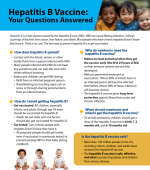
California Department of Public Health (CDPH)
For Healthcare Providers
- Hepatitis B Quick Sheet (CPPH)
- Hepatitis B Virus Infection in Adolescents and Adults: Screening (U.S. Preventive Services Task Force)
- Hepatitis B Virus Infection in Pregnant Women: Screening (U.S. Preventive Services Task Force)
- Vaccine Fact Sheet: Hepatitis B (CDPH)
- Viral Hepatitis Guide for Primary Care Providers
Contact the San Diego Immunization Unit via e-mail or call (866) 358-2966 for more information or to request materials.




 Popular Services