




Silicosis
Page originally published 3/4/2026.
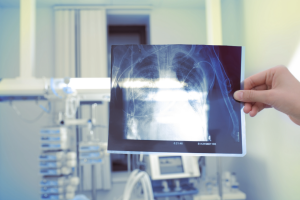
Silicosis is a lung disease caused by breathing in small bits of silica, a mineral found in sand, quartz, and other types of rock. Silicosis can lead to disability and death and can cause lung cancer, chronic obstructive pulmonary disease (COPD), kidney disease, and autoimmune disease. Silicosis mainly affects workers around silica dust in jobs such as construction and mining. Countertops made from engineered or artificial stone, commonly called “quartz countertops” have become increasingly popular since 2010. Because of the high content (>90%) of crystalline silica in the material, an increasing number of workers who cut and finish quartz countertops have been identified with severe silicosis, often at a young age.
On this page:
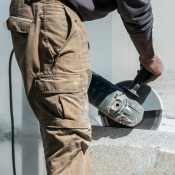
Silica is found in:
- Sand
- Concrete
- Mortar
- Granite and other minerals
- Artificial stone
Silica can be found in some types of soil. The most common form of silica is quartz.
Exposure can occur during the following activities:
- Glass, pottery, ceramics, bricks, concrete, and artificial stone manufacturing
- Abrasive blasting
- Foundry work
- Hydraulic fracturing
- Stonecutting
- Rock drilling
- Quarry work
- Tunneling
Many industries have jobs where workers are at risk of exposure, such as:
- Construction
- Mining
- Oil and gas extraction
- Stone countertop fabrication
- Foundries and other manufacturing settings
- Dentistry
Employers should take steps to protect workers from silicosis. This includes:
- Ensuring all engineering controls are working correctly before using.
- Using water and fans on dusty areas.
- Using ventilation where work is dusty.
- Closing areas to keep work separate.
- Changing water and air filters, as needed.
- Avoiding dry sweeping or using compressed air during cleaning.
- Making sure workers have, and know how to use, proper respiratory protection.
- Training workers about symptoms, prevention, and reporting.
See silica safety methods for:
Over time, silica can build up and cause damage to the lungs. This includes:
- Long-lasting cough
- Shortness of breath
- Chest pain
- Muscle weakness
- Fatigue
Symptoms may not be noticed until many years after exposure and may continue to get worse even if you’re no longer in contact with silica dust.
Workers exposed to silica and those who have silicosis are also at increased risk of tuberculosis (TB).
Silicosis is found by a doctor asking about your history of being in contact with silica and medical imaging, like chest X-rays or tissue samples, that show signs of the disease.
There is no cure for silicosis and lung damage can’t be reversed. Doctors can treat symptoms with oxygen therapy and inhalers. In severe cases, a lung transplant may be recommended.
- Silicosis is a reportable
disease under Title 17 as of June 2025. Providers should
report identified or suspected local cases to the County of San
Diego Epidemiology Unit.
- Fax a Confidential Morbidity Report to 858-715-6458 or by call 619-692-8499 during business hours.
- Silicosis Cases in Countertop Workers Continue to Rise, as Silicosis Becomes a Reportable Disease in California (California Department of Public Health – CDPH)
- California Health
Alert Network (CAHAN) San Diego
- Health Advisory: Update #1 Silicosis Becomes a Reportable Disease in California (November 18, 2025)
- Health Advisory: Silicosis In Countertop Workers (July 27, 2023)
- Silicosis for Health Care Providers (CDPH)
- Engineered Stone Silicosis Surveillance Dashboard (CDPH)
- Engineered Stone and Silicosis | NIOSH Science Bulletin | CDC
- Mining and Silicosis (Centers for Disease Control and Prevention – CDC)
- NIOSH Mining Dust Control Handbook
- Occupational Safety and Health Administration (OSHA) Construction Guide
- Silica and Worker Health (CDC)
- Silica Safety for Countertop Fabrication Employers (CDPH)
- Silica Safety for Countertop Workers (CDPH)

Página publicada originalmente 3/4/2026.
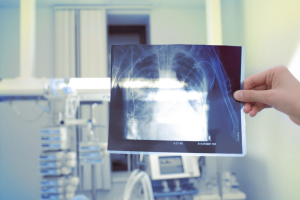
La silicosis es una enfermedad pulmonar causada por la inhalación de pequeños fragmentos de sílice, un mineral que se encuentra en arena, cuarzo y otros tipos de roca. La silicosis puede provocar discapacidad y muerte, y puede causar cáncer de pulmón, enfermedad pulmonar obstructiva crónica (EPOC), enfermedad renal y enfermedades autoinmunes. La silicosis afecta principalmente a los trabajadores alrededor del polvo de sílice en empleos como la construcción y la minería. Los cubiertos y superficies hechos de piedra artificial o de “cuarzo” se han vuelto cada vez más populares desde el 2010. Debido al alto contenido (más del 90%) de sílice cristalina en este material, un número creciente de trabajadores que cortan y pulen estas superficies de cuarzo han sido diagnosticados con silicosis grave, a menudo a una edad joven.
En esta página:
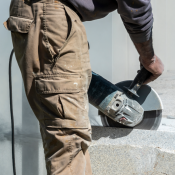
La sílice se encuentra en:
- Arena
- Hormigón
- Mortero
- Granito y otros minerales
- La sílice artificial de piedra
Puede encontrarse en algunos tipos de tierra. La forma más común de sílice es el cuarzo.
La exposición puede producirse durante las siguientes actividades:
- Fabricación de vidrio, cerámica, ladrillos, concreto y piedra artificial
- Voladura abrasiva
- Trabajo en fundición
- Fraturado hidráulico (fracking)
- Corte de piedra
- Perforación de roca
- Trabajo en canteras
- Excavación de túneles
Muchas industrias tienen empleos en los que los trabajadores están en riesgo de ser expuestos, como:
- Construcción
- Minería
- Extracción de petróleo y gas
- Fabricación de encimeras de piedra
- Fundiciones y otros entornos de fabricación
- Odontología
Los empleadores deberían tomar medidas para proteger a los trabajadores de la silicosis. Esto incluye:
- Asegurarse de que todos los controles de ingeniería funcionen correctamente antes de usarlos.
- Usar agua y ventiladores en zonas polvorientas.
- Usar ventilación donde el trabajo haya polvo.
- Cerrar zonas para mantener el trabajo separado.
- Cambiar los filtros de agua y aire, según sea necesario.
- Evitar barrer en seco o usar aire comprimido durante la limpieza.
- Asegurarse de que los trabajadores cuenten y sepan cómo usarla una protección respiratoria adecuada.
- Formar a los trabajadores sobre síntomas, prevención e informe.
Consulte los métodos de seguridad de sílice para:
Con el tiempo, la sílice puede acumularse y causar daños en los pulmones. Esto incluye:
- Tos prolongada
- Dificultad para respirar
- Dolor en el pecho
- Debilidad muscular
- Fatiga
Los síntomas pueden no notarse hasta muchos años después de la exposición y pueden seguir empeorando incluso si ya no estás en contacto con polvo de sílice.
Los trabajadores expuestos a sílice y quienes padecen silicosis también tienen un mayor riesgo de tuberculosis (TB).
La silicosis se detecta cuando un médico pregunta sobre sus antecedentes de contacto con sílice e imágenes médicas, como radiografías de tórax o muestras de tejido, que muestran signos de la enfermedad.
No hay cura para la silicosis y el daño pulmonar no se puede revertir. Los médicos pueden tratar los síntomas con oxigenoterapia e inhaladores. En casos graves, puede recomendarse un trasplante de pulmón.
- La silicosis es una enfermedad
que debe declararse bajo el Título 17 a fecha de junio de
2025. Los proveedores deben informar de los casos identificados o
sospechosos a la Unidad de Epidemiología del Condado de San
Diego.
- Informa de casos locales de silicosis a la Unidad de Epidemiología enviando por fax un Informe Confidencial de Morbilidad al 858-715-6458 o llamando al 619-692-8499 durante el horario laboral (de lunes a viernes de 8 a 17 horas).
- Los casos de silicosis en trabajadores de encimeras siguen aumentando, ya que la silicosis se convierte en una enfermedad declarable en California (Departamento de Salud Pública de California – CDPH)
- Sistema de Alertas
Sanitarias de California (CAHAN) San Diego
- Aviso de salud: Actualización #1 La silicosis se convierte en una enfermedad notificable en California (CAHAN San Diego, 18 de noviembre de 2025)
- Aviso de salud: Silicosis en trabajadores de encimeras (CAHAN San Diego, 27 de julio de 2023)
- Silicosis para proveedores de atención sanitaria (CDPH)
- Panel de Vigilancia de Silicosis de Piedra Ingenierizada (CDPH)
Para empleadores y trabajadores
- Piedra artificial y silicosis | Boletín Científico de Instituto Nacional para Seguridad y Salud Ocupacional - NIOSH | Centros para el Control y la Prevención de Enfermedades - CDC)
- Minería y Silicosis (CDC)
- Manual de Control de Polvo Minero del NIOSH
- ·Guía de construcción de la Administración de Seguridad y Salud Ocupacional (OSHA)
Call the Epidemiology Unit at (619) 692-8499, or send an e-mail, for more information.


 Popular Services