




Device and Point of Sale (POS) Registration
Each scale, submeter, gas pump, taximeter, or other commercial device or point-of-sale system used by a business or retail operation must be registered regularly with the County. Learn more about how to register your device or pay your registration fee online below.

Registration Required by State and County Laws Before Use
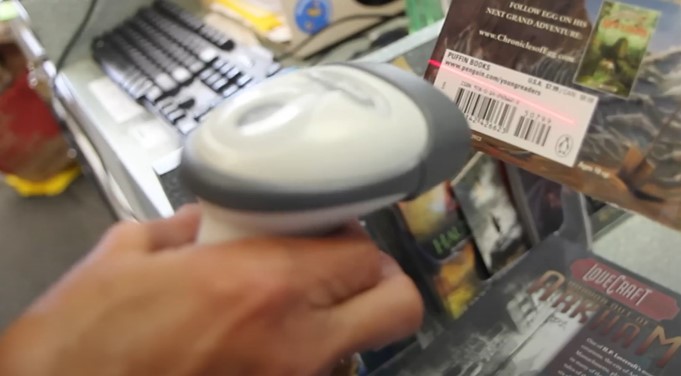
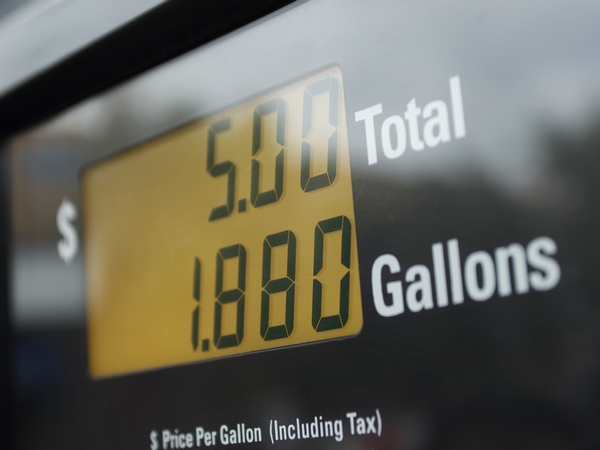
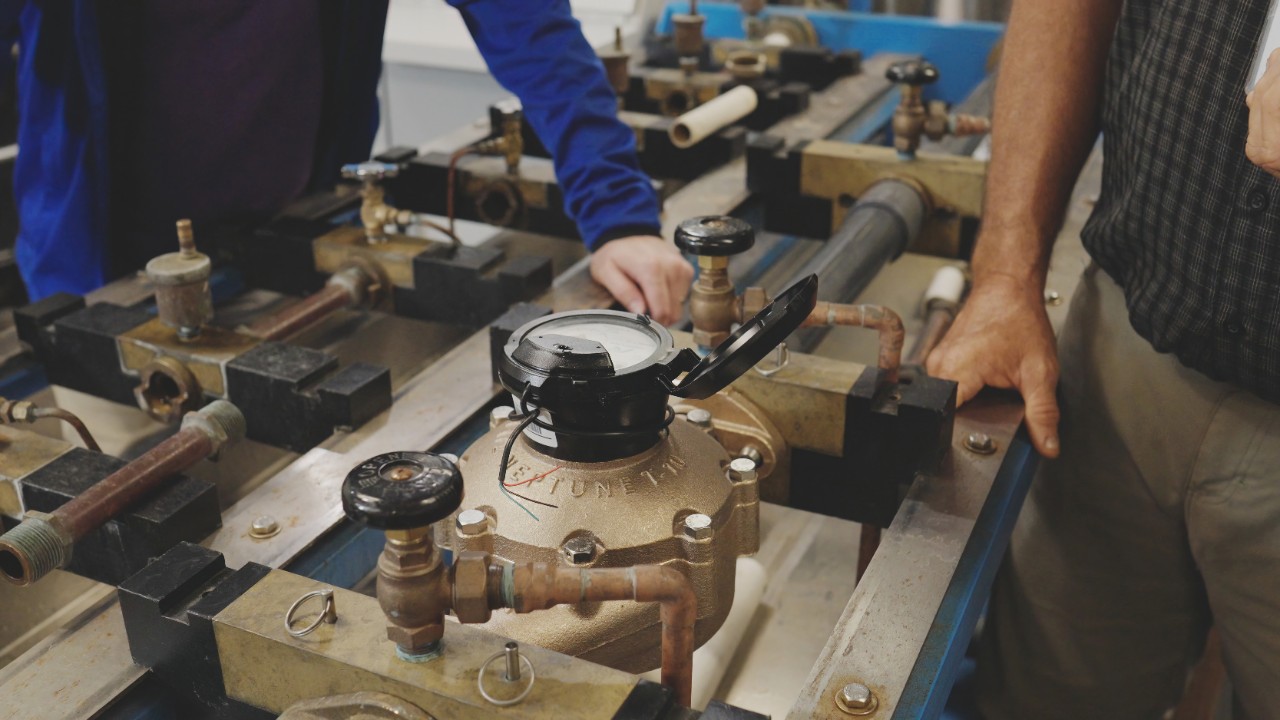
Scales and meters used commercially must be inspected and registered before being placed in service. Retail establishments that use point-of-sale (POS) systems, as defined by California law, must be registered and are routinely tested for pricing accuracy. Registration fees offset the cost of inspection and testing to ensure commercial devices are in compliance and that retailers honor the lowest posted price.
Device forms:
Scales and meters must be type approved to be used in commercial trade.
- Annual Device Registration Letter
- Annual Device Registration Application & Fee Schedule
- Annual Odometer Registration Letter
- Out of County Registration Application
Point-of-Sale (POS) Forms:
All POS systems used for retail customers in California must have a customer price display.
- Annual Point-of-Sale (POS) System Registration Letter
- Annual Point-of-Sale (POS) System Registration Application
Pay Online:
Additional Information:
Administrative Fees FAQ
-
What is the Device Administrative Fee?
The Device Administrative Fee has been authorized by the California Legislature in Assembly Bill 120 and signed by Governor Brown on July 26, 2011. The fee will fund the California Department of Food and Agriculture's Division of Measurement Standards (CDFA OMS) Device Compliance Program which provides oversight and training to county weights and measures officials in the areas of commercial weighing and measuring device testing.
-
Why is the Device Administrative Fee necessary?
CDFA experienced a $19.0 million General Fund reduction for the 2011-12 fiscal year which began July 1, 2011. Funding for many important programs was affected, including those in DMS. An industry led consortium guided CDFA through the reduction process, in which alternatives were considered, including reduction and elimination of programs, and other funding sources. The Device Administrative Fee was the agreed upon as an alternative funding solution for DMS' Device Compliance Program. Assembly Bill 120 provided authorization and the necessity for the proposed regulation.
-
How will the fees be collected?
Sections 12240 and 12241 of Division 5 of the Business and Professions Code require this fee to be collected and remitted for all registered commercial weighing and measuring devices in counties with a device registration ordinance. Fifteen percent of the fees collected may be retained by counties for collection and processing.
-
How were the fees calculated? Can they be adjusted?
Each year counties report the number of commercial weighing and measuring devices to CDFA. The fee amount was calculated to cover the cost of the DMS Device Compliance Program. CDFA applied the fees at the same approximate percentage for all categories of devices. Any changes to the fees will require new rulemaking. For information about the rulemaking process, visit the Office of Administrative Law's website at http://www.oal.ca.gov/.
-
If a County Board of Supervisors does not want to charge the Device
Administrative Fee, what can they do?
The fee is mandatory and not subject to Board approval. Section 12241 of the Business and Professions Code requires collection of the fee. If the County charges a device registration fee, they must also charge the state fee.
-
Does the Device Administrative Fee apply to any non-commercial devices
the County might test, e.g. scales for the high school football team?
No, the fee is only due on commercial weighing and measuring devices that are registered within the County.
-
Some counties do not charge a location fee to people with small scales
who bring them into the office for sealing. Does the Device
Administrative Fee apply in those cases?
Yes, the fee applies to all devices registered by the County.
Taximeter Inspection FAQs
-
Why are taximeters inspected?
The mission of the Department of Agriculture, Weights and Measures is to support a fair marketplace and consumer confidence in the accuracy of product weight, measure and price. We strive to create equity for both consumers and businesses alike. Your meter along with other commercial devices is inspected annually to create a level playing field. The annual device registration you pay covers a portion of the cost of the Weights and Measures program.
-
How do I prepare for the meter inspection?
The taxi owner is responsible for maintaining the accuracy of the meter being used. A licensed service agent can verify the accuracy of the meter as part of the regular maintenance, especially after changing tires or having transmission work done. Also, check your tires for proper inflation (tire pressure) prior to your inspection. There are taxi companies that provide preventative maintenance meter inspections to their drivers. You may also use one of our one-mile courses to verify the accuracy of your meter using the provided maps.
-
What can cause a meter to be inaccurate?
Some possible causes include: tires not maintained with proper air pressure, incorrect tire size, or any work or modifications to the transmission or differential.
-
What should I expect during my inspection?
A County Weights and Measures inspector will verify that all required rate information is clear and visible to passengers. Next, the inspector will test the timing function on the meter for accuracy and check the security wire seal on the meter to ensure it is intact. Last, the inspector will test the distance function of the meter using a measured mile road course. If the meter passes inspection, the inspector will place a Weights and Measures seal on the meter and provide the inspection report.
-
What if the meter does not pass?
The inspector will explain the violation and issue a Notice of Violation documenting the failed inspection. If the meter is found to be in favor of the owner (over-registration), the meter will be removed from service, “red tagged” and cannot be used until repaired by a licensed service agent. Over-registration means that the meter registers a greater distance than was actually traveled and results in the customer being overcharged. The tolerance for over-registration is 1%, or 52 feet. If the meter is found to be in favor of the customer (under-registration), will not result in a fine, but must be repaired within 30 days by a licensed service agent. Under-registration means that the meter registers a shorter distance than what was actually traveled and the meter owner loses money. The tolerance for under-registration is 4% + 100 feet, or 308 feet.
-
What should I do if I receive a Notice of Violation?
When you receive a Notice of Violation, read the entire notice carefully and discuss any questions or concerns you have about the violation with the inspector. Notify the registered owner of the meter immediately.
-
What happens after I have receive a Notice of Violation?
The vehicle must be taken to a licensed service agent for repair and/or calibration. You will need to contact a County Weights and Measures Inspector for a re-inspection of the meter within 30 days. A violation of over-registration may result in a fine to the owner.
-
Who can I call for questions or to get information regarding laws and
regulations?
Call our Weights and Measures Program at (858) 694-2778 and ask to speak with an inspector or supervisor.



 Popular Services