




Congenital Syphilis

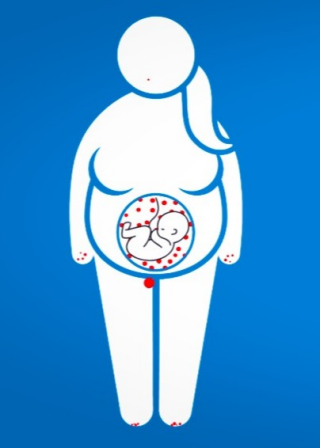
Congenital syphilis is when the bacteria that cause syphilis are passed from a pregnant person to a baby during pregnancy or delivery.
The number of people and babies diagnosed with syphilis has been going up everywhere in the United States, including here in San Diego County. Babies that survive can have lifelong health problems. To help stop the rise of congenital syphilis, the Centers for Disease Control and Prevention and the California Department of Public Health recommend everyone get tested for syphilis. Protect your baby from congenital syphilis by getting tested for syphilis 3 times during your pregnancy.
The Good News...
Congenital syphilis is
preventable!
Syphilis can be safely treated and cured, even
during pregnancy.
Talk to a healthcare
provider about syphilis testing.
—Learn
More About Getting Tested—
Show All Questions and Answers | Show Questions Only
-
What is congenital syphilis?
Congenital syphilis (CS) is when a baby is born with syphilis. This happens when the bacteria that cause syphilis pass from a pregnant person with syphilis to the baby during pregnancy or delivery.
If you are pregnant, you can prevent congenital syphilis and protect your baby by getting tested for syphilis and, if you have syphilis, getting treated right away with antibiotics.
-
How can congenital syphilis affect your baby?
If you have syphilis while you are pregnant and do not get treated, it can cause problems for your baby.
Congenital syphilis can cause:
- Miscarriage (losing the baby during pregnancy)
- Stillbirth (the baby is born dead)
- Prematurity (the baby is born early)
- Low birth weight
- Death shortly
after birth
Babies born with syphilis can have:
- Abnormal bones or teeth
- Anemia (not enough red blood cells)
- Large liver
- Jaundice (yellowing of the skin or eyes)
- Nerve problems, like loss of hearing or vision
- Meningitis (an infection of the membranes that cover the brain and spinal cord)
- Skin rashes
- Miscarriage (losing the baby during pregnancy)
-
How can you prevent your baby from getting congenital syphilis?
Congenital syphilis can be prevented by identifying and treating the infection during your pregnancy. If you are diagnosed with syphilis you will need to be treated right away to reduce the risk of congenital syphilis and other serious health complications.
You should be tested for syphilis 3 times during your pregnancy:
- At your first prenatal visit
- Early in your third trimester (around 28-32 weeks)
- At delivery
-
How is syphilis treated?
Syphilis can be treated and cured with antibiotics, even during pregnancy. The earlier the infection is identified and treated, the better!
Congenital syphilis can also be treated and cured if your baby is still alive after delivery. Babies born with syphilis need to be treated right away or they may develop serious health problems. Babies are treated with antibiotics in a hospital for 10 days, and in some cases only need one dose of antibiotics.
Partner Testing and Treatment is also important. Your sex partner(s) need to get tested and treated too. This will:
- Help them stay healthy
- Prevent them from infecting others
- Prevent you from getting the infection again
You can get tested for syphilis at your healthcare provider's office, a local health clinic, or at a County Sexual Health Clinic. At-home test kits are also available. You usually need to provide a sample of blood for syphilis testing.
Here are some resources to help you get tested for syphilis:
- Your primary care provider or OB-GYN: They can order a test during your routine checkup.
-
Local Clinics (community health clinics or private
clinics)
- Call 2-1-1 or visit the 2-1-1 San Diego website for help finding a clinic near you.
- GetTested: This Centers for Disease Control and Prevention (CDC) website lets you search for a clinic by zip code.
- Planned Parenthood of the Pacific Southwest
-
County of San Diego Sexual Health Clinics
- TakeMeHome at-home test kit (this kit can test for syphilis as well as other sexually transmitted infections)
Learn More About Congenital Syphilis
Here are some links to other websites with information about congenital syphilis and prevention.
- Centers for Disease Control and Prevention: About Congenital Syphilis
- California Department of Public Health: Congenital Syphilis

 Popular Services