




Agriculture, Weights & Measures

If you've ever been to a farmers’ market, checked out at a
grocery store, pumped gas, or wondered if your produce was organic,
then you've benefitted from the Department of Agriculture, Weights
& Measures (AWM).
As part of the County’s Land Use & Environment Group, we're here to serve you.
What AWM Does For You
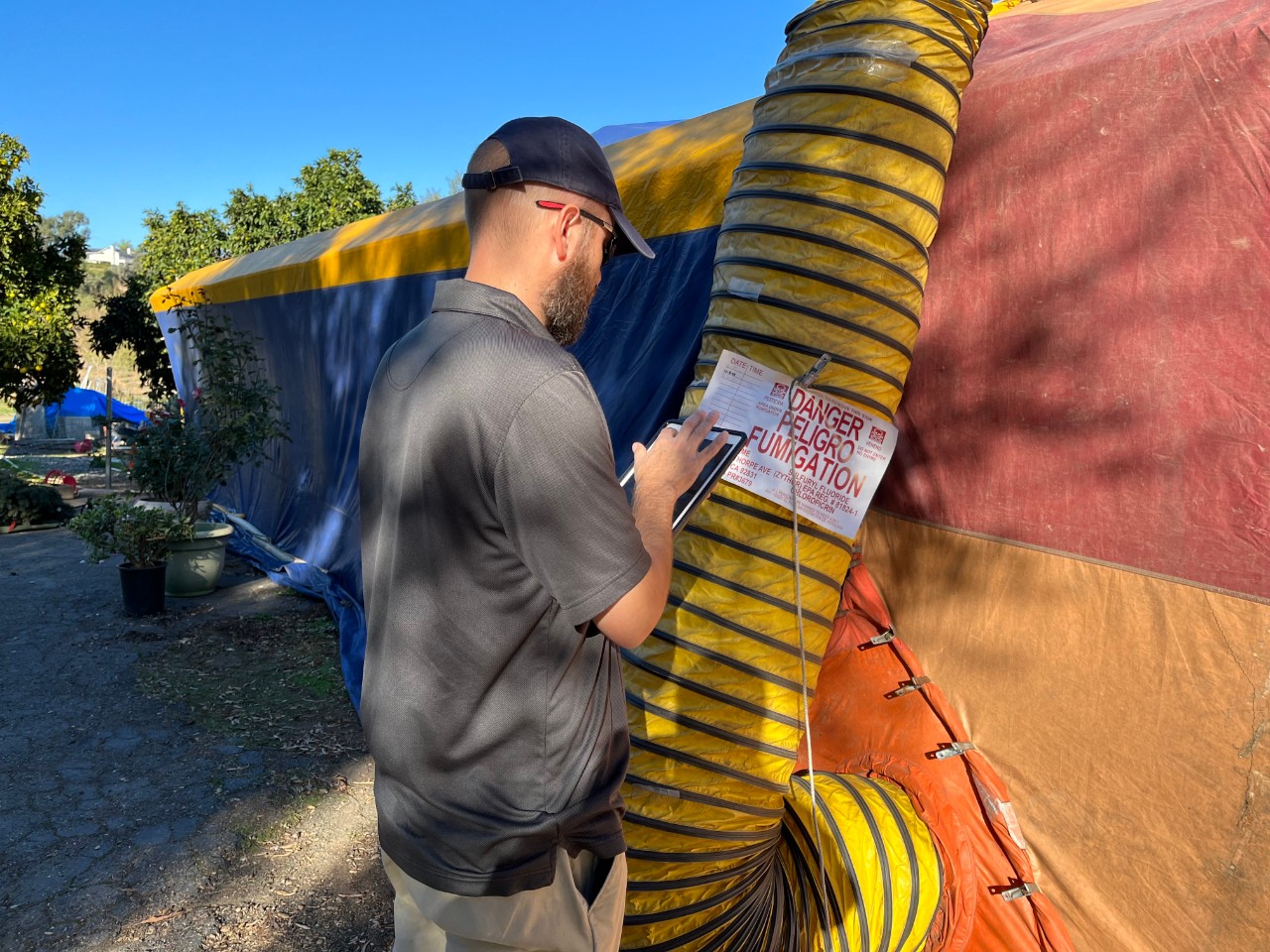
- Ensures pesticides are used safely and investigates related illness.
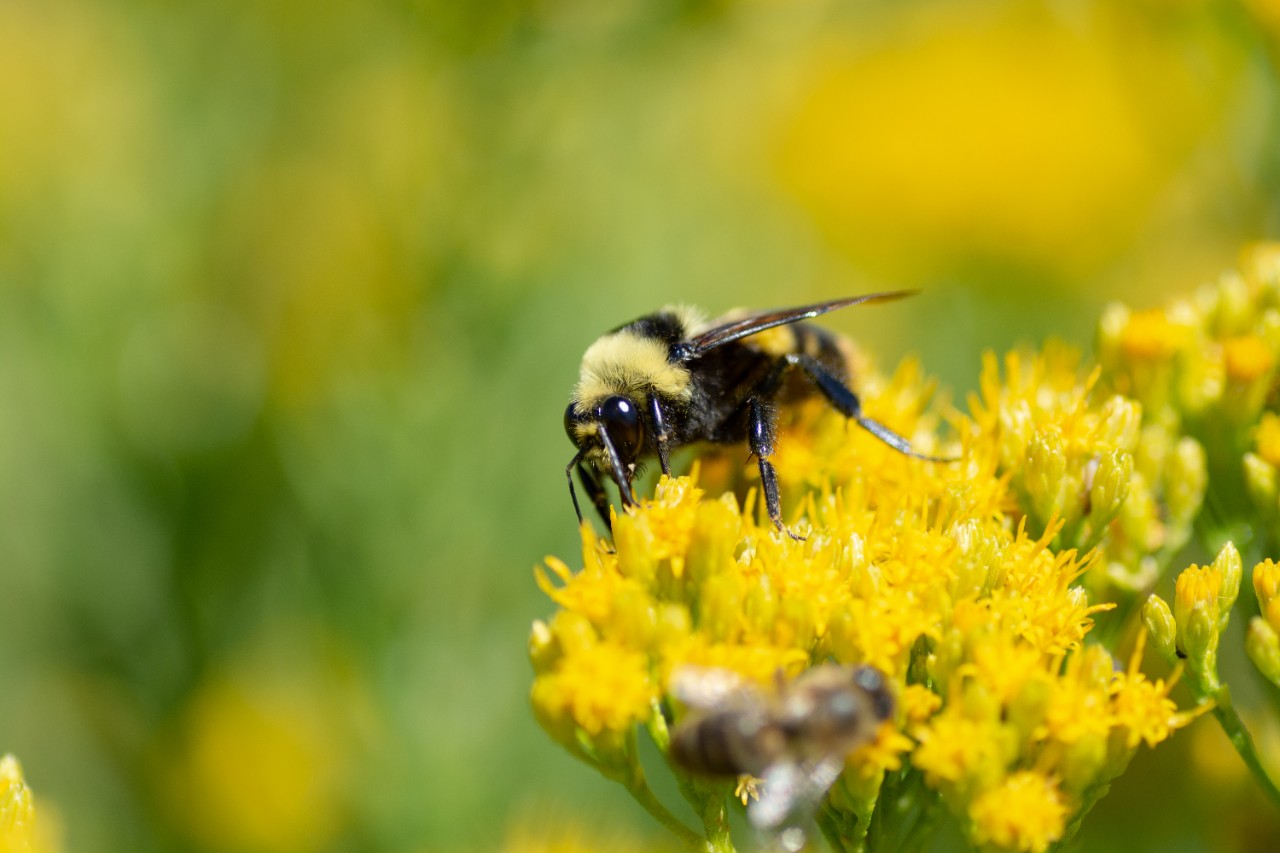
- Prevents the spread of pests that harm agriculture and the environment.
- Promotes the use of natural pest controls.
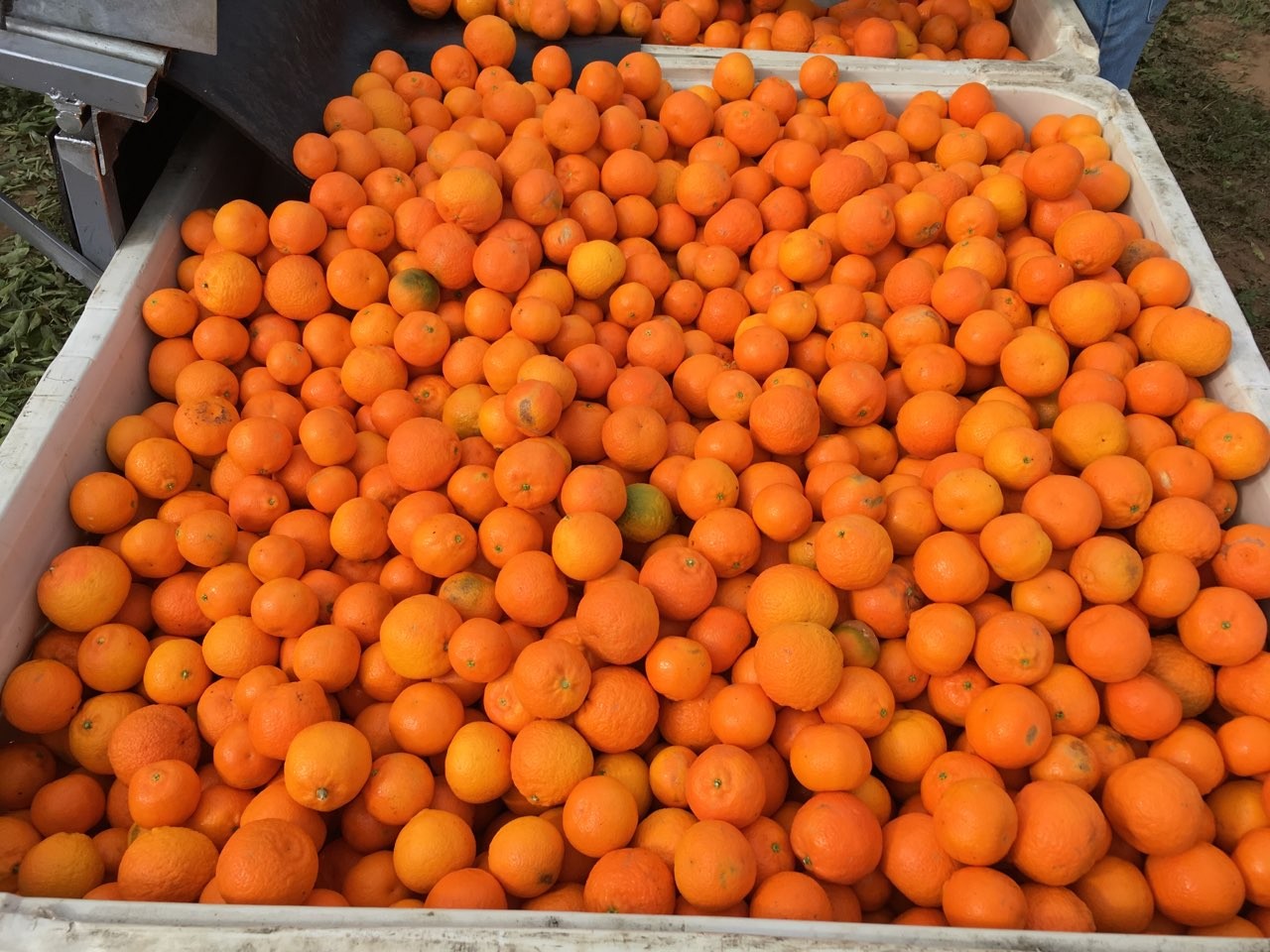
- Verifies produce that is marked as organic.
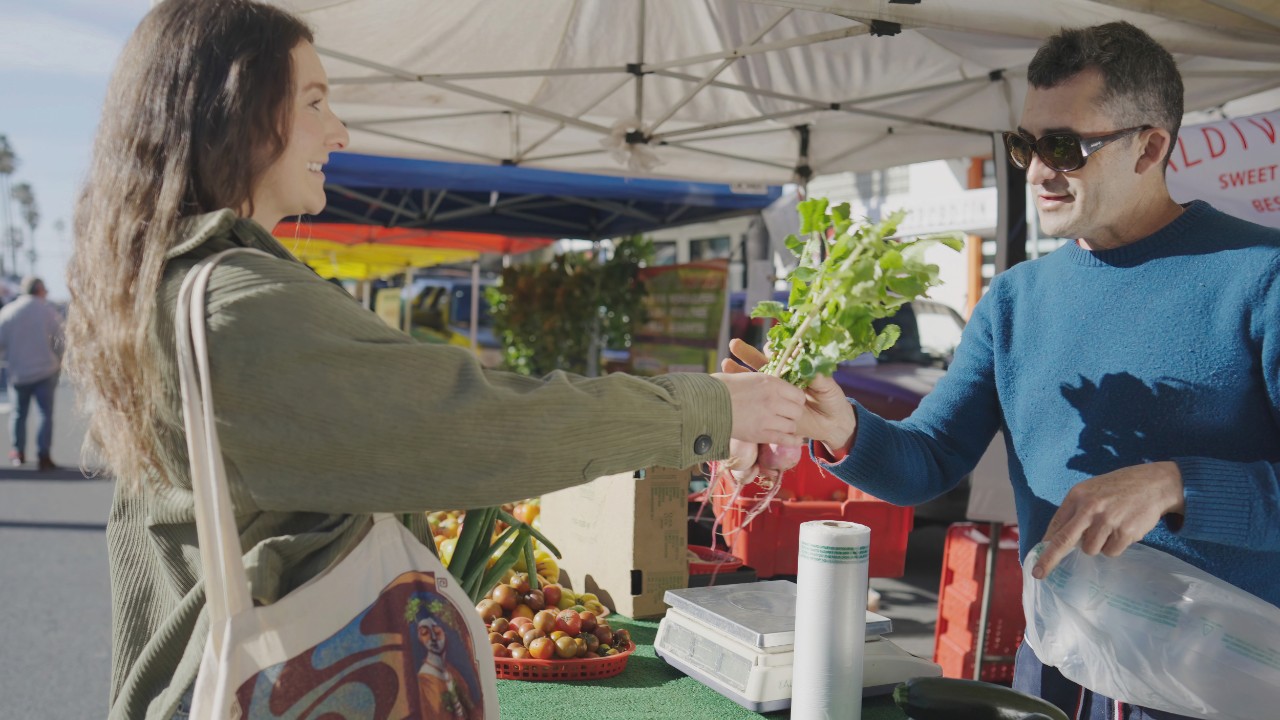
- Ensures vendors at farmers' markets grow what they sell.
- Verifies that commercial weighing and measuring devices and price scanners are accurate.
- Protects people from injury
and disease caused by wildlife.

Tropical Storm Rachel (October 2026)
The County is monitoring Tropical Storm Rachel, which is expected to approach the coast of southern California Saturday night, October 10. The County and CAL FIRE are coordinating with local jurisdictions and helping residents prepare by offering free sand and bags to protect homes and property. Please visit Alert San Diego for more updates and resources.
If agricultural operations experience any crop damage or impacts due to the storm, please report it by filling out an Agricultural Damage Assessment form and emailing it to sdcawm@sdcounty.ca.gov or returning it to any AWM office location:
- 9325 Hazard Ste. 100, San Diego, CA 92123
- 151 E. Carmel St., San Marcos, CA 92078
Free Pesticide Container Recycling Event (October 17)
AWM's Pesticide Regulation Program is hosting a FREE pesticide container recycling event on Saturday, October 17, from 8 a.m. to 2 p.m. at the San Marcos EDCO Recycling Center, 1371 Grand Avenue, San Marcos, CA 92078.
Learn more and fill out the event flyer (Español) to attend. Call (858) 694-8980 for any questions or to schedule your appointment (not required).
Citrus Quarantine Expansion in Fallbrook Area (September 2026)
CDFA confirmed the detection of the citrus disease Huanglongbing (HLB) in one residential property in the Murrieta area of Riverside County on September 11, 2026. The new quarantine area will expand south through De Luz, combining the northern San Diego quarantine area with Orange, Riverside, Los Angeles, and San Bernadino counties. The affected expansion area is comprised of over 70 businesses, including over 40 growers and 10 commercial nurseries.
Residents with citrus fruit and HLB host plants are asked not to remove fruit from their property. Commercial citrus growers will need to obtain HLB Quarantine Compliance Agreements to continue to ship, process, harvest, and/or sell their crops.
- View an interactive map of the quarantine area or visit CitrusInsider.org to learn more.
- For questions or compliance agreements, please contact CQP.AWM@sdcounty.ca.gov or (858) 614-7770
- To report sustpicious pests or HLB symptoms, please call the CDFA hotline at (800) 491-1899.
New Aloe Thrips Pest in San Diego County
A new Aloe Thrips (Hercinothrips dimidiatus) pest has been found in the San Diego region, which primarily feeds on several aloe species. Symptoms include black and silver leaf discoloration from feeding damage, dark-colored excrement dots on leaf surfaces, and potential plant decline or death.
Learn more about identifying Aloe Thrips pests and damage on UCCE’s website.
If you see Aloe Thrips or signs of feeding damage, please report findings to UCCE's local pest tracking at aloe.thrips@gmail.com. Or you may report to the CDFA pest hotline at reportapest@cdfa.ca.gov.
New PDCP/GWSS Hosts & Expanded PQM 454 Boundaries
The Pierce’s Disease Control Program (PDCP) and Glassy-Winged Sharpshooter (GWSS) official host list has expanded. Plant Quarantine Manual (PQM) 454 boundaries have expanded within Fresno, Stanislaus, and Tulare counties.
- New Restricted Plants: Plumeria, Phyllanthus, and Lepechinia are now officially classified as host plants.
- Expanded Quarantine Zones: Compliance boundaries have expanded in Fresno, Stanislaus, and Tulare counties.
Please review the updated Plant Quarantine Manual pages and reference the CDFA PQM page for updates.
Combined Mexican Fruit Fly Quarantine in La Mesa and Spring Valley (August 2026)
CDFA has combined the existing La Mesa and Spring Valley Mexican Fruit Fly (MexFly) quarantine areas, effective August 14, 2026, after confirmed detections of additional flies. The quarantine is expected to continue through Spring 2027, and the detailed boundaries can be viewed on CDFA's Mexican Fruit Fly website.
- Residents with MexFly host plants are asked not to remove fruit from their property.
- Commercial growers can obtain a MexFly Compliance Agreement to continue to ship, process, harvest and/or sell their crops by contacting CQP.AWM@sdcounty.ca.gov or (858) 614-7770.
- To report sustpicious pests, please call the CDFA hotline at (800) 491-1899.
- Find additional quarantine boundary and sterile insect treatment maps in CDFA's Spring Valley MexFly Proclamation of Emergency Program (PEP), PEP Amendment 2, Amendment 3, Amendment 4, and Amendment 5.
El Niño Season 2026-27 Preparation
Learn more about how ag operations can better understand projected weather impacts and prepare for the anticipated 2026-27 El Niño season through:
- Altert San Diego El Niño 2026 Information Hub
- July 29 El Niño Preparation Meeting video recordingand presentation slides
- CDFA Animal and livestock El Niño readiness tips (Español) and disaster preparedness resources
Glassy-Winged Sharpshooter on CA Costco Desert Willows
Did you buy a desert willow at Costco between June 24-July 3? The invasive glassy-winged sharpshooter has been found on desert willows sold at Costcos in CA. This pest is a serious threat to vineyards, backyard gardens & other plants. Please contact 760-752-4700 or sdcawm@sdcounty.ca.gov, or visit CDFA's GWSS Costco Page to learn more.
- High Risk Import Notice for Retail Nurseries (Español)
- Pierce's Disease Control Program Shipping Guide for Program-Regulated Nurseries
Farmer Campus Wildfire Resilience Free Online Course
Prepare and protect your ag operation from wildfire with a free, interactive, self-led course from Farmer Campus that gives you tools and resources to reduce the human, production, financial, and legal risks from wildfires.
(Note: This resource is external and does not supplement required training for the County Ag Pass Program.)
Proposed Pesticide Enforcement Response Regulation Changes
The California Department of Pesticide Regulation (DPR) is proposing updates to enforcement rules to better protect public health. These changes would increase penalties for serious and repeat pesticide violations, strengthen oversight of county enforcement, improve coordination with prosecutors, and add an annual public report on DPR’s enforcement actions.
Learn more and share feedback on DPR's website.
New World Screwworm (NWS) Detections in U.S.
USDA has confirmed New World Screwworm (NWS) detections in Texas and New Mexico. While no cases have been found in California, this pest poses a serious risk to livestock, pets, wildlife, and potentially people.
Federal and Texas officials are responding aggressively with quarantines, sterile fly releases, wildlife surveillance, and increased trapping. The national food supply remains safe — NWS does not infest meat or food products.
- Animal owners should check livestock and pets for unusual wounds, discomfort, or maggots — especially around the nose, ears, navel, or any open injury.
- If you suspect NWS in an animal, report issues immediately to (866) 922-2473; for people, seek medical care right away if you notice a suspicious wound.
For more information and updates, view CDFA's news release, or visit CDFA's New World Screwworm page.
Produce Safety Grower Training – UC Small Farm Food Safety
UC Small Farm Food Safety is offering Produce Safety Grower Training sessions throughout 2026-27. These trainings are designed to support farms in meeting food safety standards and implementing best practices that benefit both operations and consumers.
Opportunity to Participate in the Countywide Food Contract
San Diego County is seeking to expand its pool of local food suppliers. Growers interested in providing products for countywide programs are invited to complete the Food Supplier Interest Form. Your participation helps strengthen our local food system and increase access to regional agricultural products.
- June 24 Food Systems Resources and Grant Writing Meeting Recording
- June 24 Food Systems Resources and Grant Writing Workshop Presentation
- Food Safety Grant Programs List
USDA Drought Designation – Resources for Ag Operations
USDA has designated San Diego County as a natural disaster area due to severe drought. If your operation experiences any loss due to drought, please fill out an Agricultural Damage Assessment Form and submit it to sdcawm@sdcounty.ca.gov or one of our office locations:
-
AWM Kearny Mesa Office:
9325 Hazard Way, Ste. 100
San Diego, CA 92123
-
AWM San Marcos Office:
151 E. Carmel St.
San Marcos, CA 92078
These reports help determine eligibility for state and federal support. Affected operators may also contact local Farm Service Agency (FSA) offices for elligible emergency loan assistance, with an eight‑month application window from April 6, 2026.



 Popular Services