




Citrus Quarantine Program (CQP)
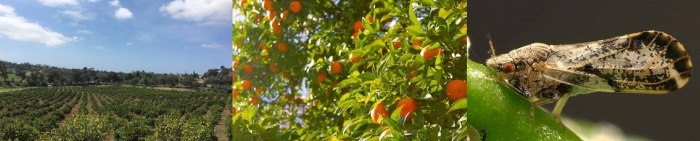
AWM’s Citrus Quarantine Program (CQP) helps protect California citrus by working with growers, gardeners, and the public to prevent the spread of citrus pests and diseases.
One such disease is Huanglongbing (HLB), a citrus-greening disease that is deadly to citrus trees and a threat to our local citrus industry. HLB is spread by the Asian citrus psyllid (ACP), a tiny insect that may transmit the bacteria between trees as it feeds on new growth. While HLB is deadly to citrus, it does not harm people, animals, or other plants.
HLB has no cure. But by working together, we can save our citrus from this deadly disease: work with agricultural officials to inspect your trees for signs of HLB and ACP. Help protect local citrus by learning the signs of HLB. For suspicious symptoms, call the CDFA hotline: (800) 491-1899.
Active HLB Quarantines
Updated March 2026
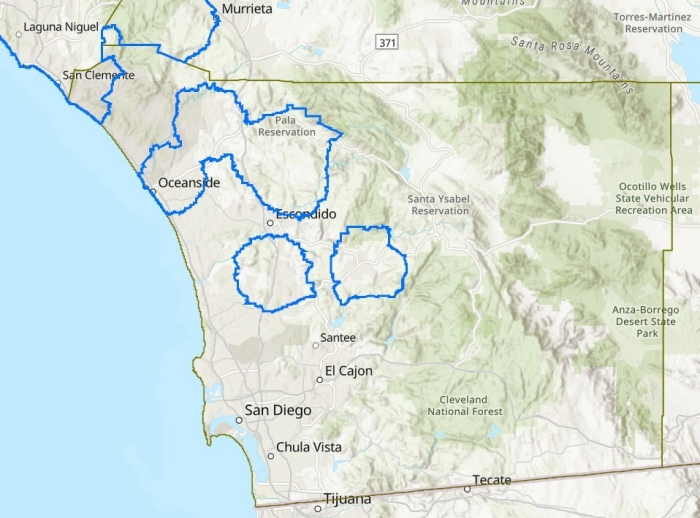
San Diego County has ongoing HLB quarantines in: Fallbrook,
Oceanside, Rancho Bernardo, Valley Center, and, most recently, Ramona.
Statewide, there are HLB quarantines in Los Angeles, Orange,
Riverside, San Bernardino, and Ventura counties. Across the state,
more than 10,000 trees have tested positive for the disease and been
removed since 2012.
The most recent quarantine area was declared on March 2, 2026, after CDFA detected HLB in two trees on a residential property in Ramona.
All citrus growers, packers, transporters, and fruit sellers in the county must have an ACP Compliance Agreement from AWM to move any citrus fruit (contact CQP.AWM@sdcounty.ca.gov for more information). Residents and commercial operations in a five-mile radius of any HLB quarantine area are prohibited from moving citrus and HLB host plants or plant materials. Additionally, fruit grown must undergo mitigation steps before transport.
To learn more and see if you’re in a quarantine area, visit the Citrus Pest & Disease Prevention Program.
Identifying HLB
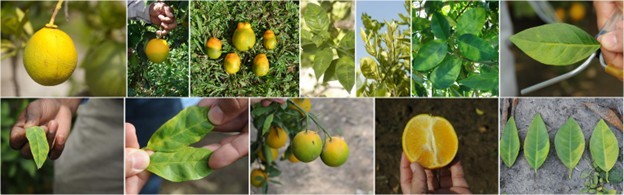
Symptoms
- Blotchy, asymmetrical yellowing of leaves
- Yellowing shoots
- Lopsided, small, and rancid-tasting fruit
- Premature and excessive fruit drop
More Information
- Learn more about HLB Symptoms and call the CDFA hotline (1-800-491-1899) for suspicious symptoms
- California Department of Food and Agriculture (CDFA) ACP Information
- USDA Animal and Plant Health Inspection Service (APHIS) Citrus Information
HLB Resources for Growers
When a tree tests positive for HLB, CDFA removes the tree and surveys the surrounding 250-meter area to reduce the chance of spread. A mandatory five-mile HLB quarantine radius is then established from the find site. It’s prohibited to move host nursery stock, host plants, or plant parts out of a quarantine area.
- Best practices in and near a quarantine
- Information from the Citrus Pest & Disease Prevention Program
- HLB Symptoms
-
Citrus
Leaf Sample Collection for Growers
HLB Resources for Residents
Homeowners can protect their backyard citrus trees by supporting the work of agricultural officials. To help prevent the spread of HLB, residents should:
- Not move citrus into or out of their area.
- Remove all leaves and stems, and thoroughly wash backyard citrus before moving from the property where it was grown.
- Allow agricultural employees to access your property to survey citrus trees and take samples to look for the disease.
- When grafting, use only registered budwood with source documentation.
- Dry or double-bag plant clippings prior to disposal.
- Talk to your local home and garden center about products that can protect citrus trees against ACP.
- Buy trees from reputable, licensed California nurseries.
- Visit CaliforniaCitrusThreat.org to learn more about ACP and HLB and to see pictures of symptoms and signs of the pest and disease.
HLB-infected trees must be removed to protect neighboring trees, the
community’s citrus, and the state’s vibrant citrus industry. HLB is
not harmful to humans or animals, but it is fatal for citrus trees.
There is no cure for HLB, and infected trees will die. For suspicious
symptoms, call the CDFA hotline (1-800-491-1899).
Additional Resources
HLB in San Diego
- San Diego County HLB Flyer
- Fallbrook Quarantine Information
-
Valley
Center Quarantine Information
- April 10-11, 2025, Valley Center Grower Meeting Presentations:
- Rancho Bernardo Quarantine Information
- Oceanside Quarantine Information
Helpful Websites
Notices of Treatment
- CDFA treats for Asian Citrus Psyllid (ACP) in San Diego County
when no other mitigation methods are available. CDFA posts Notices
of Treatment (NOTs) at least 48 hours in advance.
Videos
Dangers of Moving Citrus in California
Contact Information
- Residents can contact the San Diego County Department of
Agriculture, Weights & Measures’ Citrus Quarantine Program.
- Phone: (858) 614-7770
- Email: CQP.AWM@sdcounty.ca.gov
- Commercial Growers can also contact the CDFA Citrus
Pest and Disease Prevention Division.
- Phone: (916) 274-6300
- Email: cdfa.cpdpd@cdfa.ca.gov



 Popular Services