




Overdose Prevention
Making informed choices about substance use is an important part of reducing the risks of overdose and addiction. This page provides information and evidence-based resources to help you stay safe, including harm reduction strategies and connections to treatment.
-
What is Harm Reduction?
Harm reduction is a non-judgmental approach intended to reduce the harms or risks associated with substance use. Harm reduction strategies include:
- Providing education on safer substance use and reducing stigma for people who use drugs
- Preventing the spread of diseases such as hepatitis and HIV by promoting safer practices, providing clean supplies and healthcare, and expanding access to testing and treatment
- Making resources available to use substances safely and prevent death from an accidental overdose
- Finding ways to make seeking and getting treatment easier for those who want to stop using substances
- Promoting hope and healing for individuals and families impacted by substance use
Reduce Risks of an Overdose
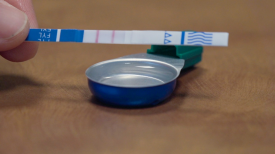
Fentanyl Test Strips
Fentanyl test strips are small strips of paper that detect if there's fentanyl in drugs. They can't tell how much fentanyl is present, but they can help you make safer choices. Find free fentanyl test strips in San Diego County.

Dispose of Medication Safely
Find safe places to drop off unneeded or expired prescription medication.
Start a Conversation
Talking with friends and loved ones about substance use helps reduce stigma and opens the door for people to seek help. Below are some resources to help you talk to someone you may be worried about.
- Mental Health First Aid: 10 Tips for Talking About Addiction
- Starting the Conversation Guide: Supporting a Loved One Dealing with Mental and/or Substance Use Disorders (pdf)
- It’s Up to Us Bulletin: Shine a Light on Normalizing Conversations about Mental Health and Substance Use (pdf)
Find a Support Group
Talking to others who are having a similar experience can be helpful. They can provide support and understanding without judgement.
You can search for local support groups for substance use through NAMI San Diego, including virtual and in-person meetings and groups for families and peers. More support group options are also available on the SAMHSA website.
Seek Help
There are various treatment options to meet you wherever you are in your recovery journey. These can include medication assisted treatment, withdrawal management, counseling, or a combination.
If you’re in a substance use or mental health crisis or just need someone to talk to, call or text 9-8-8. For other ways to get help during a crisis, visit our Crisis Services webpage.
Educational Materials
Expand the library of outreach materials below for community use.
Learn More
Get Involved
Visit the links below to learn how you can get involved in your community.
- Binge and Underage Drinking Initiative
- Cannabis Public Health Initiative
- Substance Use and Overdose Prevention Taskforce (SUOPT)
Go to the Connect with BHS webpage for more ways to engage.
Become Naloxone Distribution Program Partner
The County of San Diego is assisting organizations who would like to provide free naloxone to their clients and community members to help reduce overdose deaths in San Diego.
Email harmreduction.hhsa@sdcounty.ca.gov for information on how to become a Naloxone Distribution Program partner.
Additionally, the Naloxone Distribution Toolkit provides tools and resources for programs and staff who will be administering naloxone, distributing to community members, and collecting and recording data.
Regional Substance Misuse Prevention Programs
The County of San Diego’s Regional Substance Misuse Prevention programs provide prevention education for youth and adults, facilitate community-based coalitions, and provide harm reduction outreach and distribution to help prevent overdose. Visit the links below to learn more.
- Central: SAY San Diego
- North Central: SAY San Diego
- North Inland: Turn Behavioral Health Services
- North Coastal: Vista Community Clinic, North Coastal Prevention Coalition
- South: Institute for Public Strategies
- East: Institute for Public Strategies
Other Ways the County is Reducing Substance Use Harms in the Community
- Community Harm Reduction Team (C-HRT) are teams made up of different experts who provide non-judgmental, culturally sensitive street outreach to people who are living with chronic substance use, co-occurring mental health conditions, and homelessness. Outreach is done around East Village and Midway neighborhoods.
- San Diego Relay sends peers with lived experience to provide support to people with a severe substance use condition in Emergency Departments.
- Public Health Services' Overdose Surveillance and Response Program is a collaboration across County agencies to enhance the monitoring of overdose data to improve fatal overdose prevention response and community engagement.
- Read the County’s Comprehensive Harm Reduction Strategy Framework (pdf) to learn more.

Not sure where to start?
Call or text 9-8-8 or dial 1-888-724-7240 to speak to someone who can help find the right service for you or someone you care about. Both numbers are operated 24 hours a day, 7 days a week with support available in over 200 languages. For more information visit Get Help Now or All Services. If you are experiencing an emergency, please call 9-1-1 .
 Quick Links