




Preventing Respiratory Viruses
Page last updated 10/22/2026.
The County of San Diego is dedicated to preventing vaccine-preventable diseases by following the West Coast Health Alliance’s (WCHA) recommendations for vaccinations based on credible, transparent, and science-based evidence.
Each year, respiratory viruses cause millions of illnesses, hundreds of thousands of hospitalizations, and tens of thousands of deaths in the U.S. Lower your chances of catching, spreading, or getting very sick from a respiratory virus.
On this page:

-
Get
vaccinated. Vaccines are the best way to prevent serious
illness. The best time to get a vaccine is before viruses, such as
flu, RSV, and COVID-19, spread during the fall and winter. It is
safe, effective, and convenient to get multiple vaccines
together.
- Not sure where to get the vaccine? Go to sandiegocounty.gov/vaccines or MyTurn to find options.
- Learn more about:

- Stay home and away from others if sick from a respiratory virus. This slows the spread of flu, RSV, COVID-19, and even the common cold.

-
Wear
a mask. Wear a quality mask, such as a N95 or KN95. Masks are
especially helpful if you are:
- Already sick or tested positive,
- High risk for severe disease,
- Exposed and in contact with high-risk individuals, and/or
- In a crowded space or indoors.

- Practice good hygiene.
- Wash your hands throughout the day with soap and warm water
for at least 20 seconds.
- If not available, use a hand sanitizer with at least 60% alcohol.
- Cover your cough or sneeze.
- Wash your hands throughout the day with soap and warm water
for at least 20 seconds.

- Bring in fresh air. If it is safe to do so, open doors and windows to bring in fresh outdoor air. This prevents virus particles from building up indoors.
Anyone can get sick from a respiratory virus. However, some people are more likely to become very ill when they get infected. A severe respiratory infection can lead to hospitalization, lifelong complications, and/or death.
Those at higher risk for severe diseases, include, but are not limited to:
- Older adults, especially those 65 and older.
- Infants and young children (less than 5 years).
- People with certain chronic medical conditions, such as asthma, heart disease, diabetes, or cancer.
- People with weakened immune systems.
- People with disabilities.
- People who are pregnant or recently pregnant.
- People who live in a skilled nursing facility and other long term care facilities.

Stay Well This Fall and Winter
English | معلومات باللغة العربية (Arabic) | 中文信息 (Chinese) | فارسی (Farsi) | 한국어 정보 (Korean) | Macluumaad Af-Soomaali ah (Somali) | Español (Spanish) | Impormasyon sa Tagalog (Tagalog) | Thông Tin Bằng Tiếng Việt (Vietnamese)
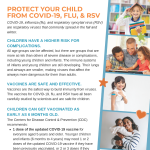
Protect Your Child from COVID-19, Flu, & RSV

Symptoms of Respiratory Viruses
English | معلومات
باللغة العربية (Arabic) | 中文信息 (Chinese)
| فارسی (Farsi)
| 한국어
정보 (Korean) | Macluumaad
Af-Soomaali ah (Somali) | Español (Spanish)
| Impormasyon
sa Tagalog (Tagalog) | Thông
Tin Bằng Tiếng Việt (Vietnamese)

Understanding COVID-19, Flu, and RSV
English | معلومات
باللغة العربية (Arabic) | 中文信息 (Chinese)
| فارسی (Farsi)
| 한국어
정보 (Korean) | Macluumaad
Af-Soomaali ah (Somali) | Español (Spanish)
| Impormasyon
sa Tagalog (Tagalog) | Thông
Tin Bằng Tiếng Việt (Vietnamese)

Sanitation and Hygiene Guide — A guide for providers that help persons experiencing homelessness.
Call the Immunization Unit at (866) 358-2966, or send an e-mail, for more information.
 Popular Services
