




Save Lives with Naloxone
You can save a life by carrying naloxone and knowing how to administer it if you think someone is having a drug overdose from fentanyl or opioids.
Where to get naloxone
Naloxone is available at many different community organizations and
clinics in the county and through vending machines.
-
Find a pick-up location or vending machine. Free naloxone is
available at designated locations. To search by zip code or see a complete
map of where you can pick up naloxone at no cost, visit San Diego
Opioid Project. You can also call 2-1-1 to find the naloxone pick-up location
closest to you.
- Vending machines also dispense fentanyl test strips at no cost.
- Get it from your health care provider or a local pharmacy. You can check with your health care provider to ask for a prescription, and it is also carried at many pharmacies. A copay may be required.
If you are unable to get naloxone from these sites, the BHS Harm Reduction Team may offer delivery options, subject to availability. Please email harmreduction@sdcounty.ca.gov.
What is Naloxone?
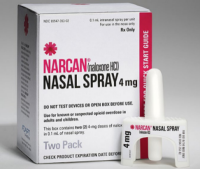
Naloxone (also known by the common brand name Narcan®) is a life-saving medication that can reverse an opioid overdose. Examples of opioids include fentanyl, heroin, or certain prescription pain medications.
When given quickly and correctly, Naloxone can restore normal breathing to a person if their breathing has slowed or stopped because of an opioid overdose.
Naloxone comes in different forms, including a nasal spray and injection. Behavioral Health Services distributes the nasal spray for free.
Naloxone is safe and is not a controlled substance. It will not cause addiction or other harms, even if given to a person who is not having an opioid overdose.
Any community member can carry and use naloxone, with a brief several-minute training. Carrying naloxone is especially important for people at-risk of experiencing or witnessing an overdose.
Naloxone is not a treatment for an opioid use disorder. If you are seeking treatment options, check out the County's substance use services webpage or call 9-8-8.
How do I use naloxone?
It may be hard to tell if someone is high or experiencing an overdose. If you aren't sure, treat the situation like an overdose. You could save a life.
If you think someone is having an opioid overdose and have naloxone on hand, follow the steps below.
- Call 9-1-1. Help is needed right away.
-
Give them naloxone.
- Lay person on their back. Tilt their head back and support their neck.
- Place nozzle of naloxone nasal spray into either nostril and press plunger.
-
Provide support.
- If they are not breathing at all, begin CPR (the 9-1-1 dispatcher can guide you), and rescue breaths (if you feel comfortable).
- If they still aren’t breathing normally after 2-3 minutes, give naloxone in the other nostril.
-
Stay with them.
- If their breathing returns to normal, gently move them on their side, laying down (left side is better).
- Naloxone only lasts for 30-90 minutes.
- Stay with them until help arrives. They’ll still need professional medical care.
You can also watch this instructional video on how to administer naloxone to someone you think may be overdosing or view this step by step guide.
California’s Good Samaritan Law protects those giving emergency medical care at the scene of a medical emergency, including giving naloxone. Source: California Department of Public Health.
To learn more about responding to a fentanyl overdose, read What California First Responders Need to Know guide.
Naloxone Distribution Impact and Achievements
Behavioral Health Services is committed to providing more access to naloxone across San Diego County. We know from research that communities with greater naloxone distribution have lower rates of opioid overdose deaths. We want naloxone access to be easy for everyone, and especially for those at high risk for witnessing or experiencing an overdose.
Harm Reduction and Educational Training for Local Organizations
The County of San Diego partners with three contracted organizations to deliver naloxone education and training across the region. These contractors support community members, service providers, and individuals at risk of overdose by offering education on overdose recognition, naloxone administration, and harm‑reduction practices. Visit the links below for information on how you can request a training for your organization.
The County of San Diego is assisting organizations who would like to provide free naloxone to their clients and community members to help reduce overdose deaths in San Diego. If you would like to become a provider and distributor of naloxone within your community, please email harmreduction@sdcounty.ca.gov to obtain information on becoming a Naloxone Distribution Program partner.
Additionally, the Naloxone Distribution Toolkit is intended to provide tools and resources for programs and staff who will be administering naloxone, distributing to community members, and collecting and recording data. Expand the button below to view.
-
Naloxone Distribution Toolkit
Distribution Guides
- Naloxone Distribution Desk Guide Site Leads
- Naloxone Distribution Desk Guide for Staff Distributing Naloxone
Education Materials- Naloxone Information Card (English)
- Naloxone Information Card (Spanish)
- Naloxone Information Card (Arabic)
- Naloxone Information Card (Tagalog)
- Naloxone Information Card (Vietnamese)
Data Collection- Microsoft Forms Naloxone Distribution Data Entry
- Naloxone Distribution Program (NDP) Data Collection Form (English)
- Naloxone Distribution Program (NDP) Data Collection Form (Spanish)
Contact harmreduction@sdcounty.ca.gov for questions. This box is monitored regularly with responses provided in a timely manner.

Not sure where to start?
Call or text 9-8-8 or dial 1-888-724-7240 to speak to someone who can help find the right service for you or someone you care about. Both numbers are operated 24 hours a day, 7 days a week with support available in over 200 languages. For more information visit Get Help Now or All Services. If you are experiencing an emergency, please call 9-1-1.
 Quick Links