




Storm Preparedness Resources
The County of San Diego encourages residents, businesses, property owners, and construction site operators to prepare now for the upcoming rainy season. The National Oceanic and Atmospheric Administration (NOAA) forecasts a greater than 90% chance of a very strong El Niño during fall and winter 2026–27. While this does not guarantee above-average rainfall or larger storms in our region, early preparation can help protect people, property, and local waterways during major storm events.
Use the resources below to prepare your property or site.
-
RESIDENTIAL RESOURCES
Prepare your home and property before rain begins. Regularly inspecting drainage systems and addressing exposed soil can help reduce flooding, erosion, and sediment leaving your property.
Before a storm:
- Clear leaves, sediment, and debris from privately maintained gutters, drains, ditches, and culverts.
- Cover soil, dirt, gravel, landscaping materials, and other outdoor stockpiles.
- Stabilize bare soil and erosion-prone areas with vegetation, mulch, rock, fiber rolls, or other appropriate Best Management Practices (BMPs).
- Inspect slopes and drainage paths for signs of erosion or blockage.
- Direct runoff away from structures without negatively affecting neighboring properties.
- Inspect and repair erosion-control materials before and after each storm.
After a storm:
- Check for signs of erosion, like small channels in the soil, slope movement, mudflows, clogged drains, or mud spreading onto nearby roads.
- Take photos or videos of any issues before the ground dries out.
- Contact a certified professional as soon as possible; erosion tends to worsen if not addressed.
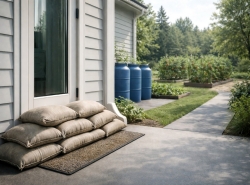
- Ask the professional which BMPs, such as sandbags, wattles, or hydroseeding, are best for your property.
A Guide to Finding a Certified Erosion Control Specialist
Erosion control helps protect homes, roads, drainage systems, and natural waterways, especially during heavy El Niño rains. Certified professionals can spot problems, recommend the right Best Management Practices (BMPs), and make sure the work meets local requirements.
Hiring a certified professional can reduce runoff, protect your property, and help improve water quality in your community.
How to Find a Certified Erosion Control Specialist
- Visit the CASQA Qualified Professional Registry
Go to: <https://www.casqa.org/training/casqa-qualification-directory>
The directory lists certified stormwater professionals across California. - Search by Location
Enter your city or ZIP code to see professionals working in your area. - Choose the Certification Type That Fits Your Needs
You can look for any of the following:- CESSWI – Certified Erosion, Sediment & Stormwater Inspector
- CPESC – Certified Professional in Erosion & Sediment Control
- QSD/QSP – Qualified SWPPP Developer / Qualified SWPPP Practitioner
- Review Search Results
A list of certified professionals will appear. You can review their credentials, service area, and contact information.
How to Verify a Certification
- Go to the Appropriate Credentialing Website
- Use the “Certification Search” or “Verify Credentials” Tool
Search by name, certification type, certification number, or location. - Review Credential Status
Make sure the certification is current and active. Check any expiration dates or notes provided. - If Construction Work Is Involved
If the work includes construction activities like grading or drainage changes, you can also check the contractor’s license at www.cslb.ca.gov to make sure they are properly licensed.
Residential storm preparedness materials:
- Erosion and Sediment BMPs — Information about gravel bag berms, silt fences, fiber rolls, stabilized entrances, and final cover. (Spanish | Vietnamese | Arabic | Chinese | Tagalog | Farsi | Korean | Somali)
- Prevent and Control Erosion — Tips for using mulch, fiber rolls, sandbags, and vegetation to protect exposed soil. (Spanish | Vietnamese | Arabic | Chinese | Tagalog | Farsi | Korean | Somali)
- Private Drainage Guide — Guidance for determining whether a drainage facility is publicly or privately maintained. (Spanish | Vietnamese | Arabic | Chinese | Tagalog | Farsi | Korean | Somali)
- Soil and Sediment — Simple ways to keep soil, dirt, and gravel from leaving your property. (Spanish | Vietnamese | Arabic | Chinese | Tagalog | Farsi | Korean | Somali)
- Yard Drainage — Information for identifying and addressing common yard drainage concerns. (Spanish | Vietnamese | Arabic | Chinese | Tagalog | Farsi | Korean | Somali)
- Private Property Disputes: Conflict Resolution Guide — Resources for property-to-property concerns involving flooding, erosion, sediment, or runoff. (Spanish | Vietnamese | Arabic | Chinese | Tagalog | Farsi | Korean | Somali)
Local Suppliers of Erosion Control BMPs
This page lists vendors in the County of San Diego who offer BMPs. Please note, the County does not endorse or recommend any specific vendor. Inclusion or non-inclusion on this list does not constitute representation or warranty regarding the qualifications of any vendor or resource, the list is provided as a resource for your convenience.
- Home Depot
- Lowe’s
- Walmart
- Grainger
- Tractor Supply
- Ace Hardware
- Grangetto’s Farm & Garden Supply
- White Cap
- Ewing Outdoor Supply
- Horizon Distributors
- Heritage Landscape Supply
- Site One Landscape Supply
- RCP Block & Brick
- North County Supply
- San Diego Rock Supply
Erosion Control and BMP Installation Companies (large scale projects)
- Summit Erosion Control https://www.summiterosion.com
- Erosion Control Experts https://erosioncontrolexperts.com
-
BUSINESS RESOURCES
Business owners and operators should inspect outdoor areas, materials, waste containers, and stormwater controls before rain is forecast.
Before a storm:
-
Inspect indoor and outdoor work areas for leaks, spills, trash, sediment, or materials that could contact rainwater.
-
Move materials indoors or place them under secure cover with appropriate secondary containment.
-
Close and secure dumpsters, waste containers, and outdoor storage areas.
-
Inspect parking, loading, fueling, and equipment-storage areas.
-
Confirm that spill kits are stocked and accessible.
-
Train employees on spill response and stormwater pollution-prevention procedures.
-
Inspect and maintain structural stormwater BMPs, including drain inserts, berms, separators, sumps, and containment systems.
-
Sweep outdoor areas instead of washing pollutants into streets or storm drains.
Business storm preparedness materials:
- Inspect Your Business — A stormwater inspection checklist for indoor and outdoor business areas. (Spanish | Vietnamese | Arabic | Chinese | Tagalog | Farsi | Korean | Somali)
-
Train Your Employees — Guidance for training employees to recognize and prevent stormwater pollution. (Spanish | Vietnamese | Arabic | Chinese | Tagalog | Farsi | Korean | Somali)
-
Inspecting Your Business and Training Your Employees Video — Stormwater-awareness training for business owners, operators, and employees. (Spanish)
-
Materials Management and Spill Response — Information about outdoor storage, secondary containment, and spill cleanup. (Spanish | Vietnamese | Arabic | Chinese | Tagalog | Farsi | Korean | Somali)
-
-
EQUINE PROPERTY RESOURCES
Rainwater flowing through corrals, paddocks, manure-storage areas, and access roads can carry bacteria, nutrients, and sediment into drainage systems and waterways.
Before a storm:
-
Remove manure from stalls and corrals regularly.
-
Store manure and compost away from drainage paths, storm drains, streams, wells, and other water sources.
-
Cover manure and compost piles to prevent contact with rain.
-
Divert clean rainwater around corrals, paddocks, manure-storage areas, and animal enclosures.
-
Stabilize dirt roads, trails, slopes, and high-use areas that are susceptible to erosion.
-
Inspect berms, drainage controls, and vegetated treatment areas.
-
Keep feed, bedding, chemicals, and equipment under cover.
-
Direct animal wash water to an appropriate contained or vegetated area. Do not allow wash water to enter storm drains, creeks, ponds, or seasonal drainages.
Equine storm preparedness materials:
- Composting and Manure Management — Information about safely storing, composting, using, or removing manure. (Spanish | Vietnamese | Arabic | Chinese | Tagalog | Farsi | Korean | Somali)
-
Equine Residential BMP Handbook — A non-technical guide for horse owners and residential equine properties. (Spanish | Vietnamese | Arabic | Chinese | Tagalog | Farsi | Korean | Somali)
-
Equine Commercial BMP Handbook — Technical guidance for commercial equine facilities and larger properties. (Spanish | Vietnamese | Arabic | Chinese | Tagalog | Farsi | Korean | Somali)
-
-
CONSTRUCTION SITE RESOURCES
Construction site operators should install, inspect, and maintain erosion, sediment, and materials-management BMPs before rain begins.
Before a storm:
-
Avoid rainy-season construction and grading when possible. Schedule soil-disturbing activities during dry weather and stabilize disturbed areas before rain begins.
-
Include wet-weather needs in the project scope, schedule, and budget. Plan for additional BMPs, replacement materials, maintenance, monitoring, inspections, and corrective actions.
-
Manage run-on. Intercept water flowing onto the site from upgradient areas and safely route it around disturbed portions of the project using stable, non-erodible conveyances. Run-on diversions should not cause erosion, flooding, or adverse impacts to neighboring or downstream properties.
-
Manage runoff. Where appropriate and included in the approved plans, use properly designed retention, detention, or sediment basins to capture runoff, settle sediment, and prevent sediment-laden discharges to the municipal storm drain system or local waterways.
-
Install BMPs in accordance with approved plans and specifications. Effective erosion controls help prevent the initial movement of soil that can lead to progressive erosion and additional sediment transport.
-
Maintain a reserve supply of BMP materials. Keep extra fiber rolls, gravel bags, plastic sheeting, inlet protection, stakes, and other replacement materials available for rapid deployment or repair.
-
Plan for high-volume rain events. Where appropriate, consider keeping a pump and temporary storage tank, such as a Baker tank, available to prevent a basin from overflowing. Pumped water must be managed through approved storage, treatment, reuse, or disposal procedures and must not be discharged to the storm drain system or a waterway unless specifically authorized.
-
Document wet-weather planning and response. Maintain records of additional protective measures, inspections, maintenance, repairs, monitoring results, and corrective actions to demonstrate careful planning and timely response.
-
The California Department of Transportation (Caltrans) released its 2024 Construction Site Best Management Practices (BMP) Manual. It is free and available for download. The manual contains fact sheets and specifications for proper installation and maintenance of erosion and sediment control BMPs
Construction storm preparedness materials:
-
County Construction General Permit Information — Current permit requirements, enrollment information, guidance, and industry standards.
-
County Development Resources — County manuals, plan templates, construction BMP details, and related development resources.
-
Erosion and Sediment BMPs — Information about gravel bag berms, silt fences, fiber rolls, stabilized entrances, and final cover. (Spanish | Vietnamese | Arabic | Chinese | Tagalog | Farsi | Korean | Somali)
Before, During, and After Rain:
-
Review the approved erosion and sediment control plan or Stormwater Pollution Prevention Plan, when applicable.
-
Install or repair perimeter controls, fiber rolls, gravel bags, silt fences, inlet protection, and other required BMPs.
-
Cover and secure soil, aggregate, landscaping materials, chemicals, and waste.
-
Stabilize exposed soil, slopes, construction entrances, and vehicle exits.
-
Protect storm drain inlets, drainage channels, and environmentally sensitive areas.
-
Sweep sediment tracked onto paved areas. Do not wash sediment into a street or storm drain.
-
Secure portable toilets, waste containers, fuels, and other potential pollutant sources.
-
Confirm that spill-response materials are stocked and accessible.
-
Inspect BMPs before, during, and after rain, when safe to do so, and promptly repair or replace damaged controls.
-
Complete all required inspections, monitoring, maintenance, and documentation.
-

Additional Storm and Emergency Resources
-
Ready (Federal) - A federal campaign that educates and empowers Americans to prepare for and respond to emergencies, such as natural and man-made disasters.
-
Flood Preparedness - A California Department of Water Resources page to help residents prepare for a flood.
-
California Office of Emergency Services - A State of California website that provides information on potential natural hazards in your area, such as earthquakes, fires, floods, and tsunamis.
-
Flood Preparedness Information — Flood-safety information, property-protection resources, drainage reporting, and flood-risk tools.
-
County Road Service Request — Report flooding, plugged drains, mudslides, debris, and other road or drainage concerns in unincorporated San Diego County.
-
Storm and Road Event Updates — Check County road conditions and storm-related closures.
-
National Weather Service—San Diego — Current forecasts, watches, warnings, and weather information.
-
211 San Diego Disaster Services — Find local disaster-preparedness, response, and recovery assistance.
-
SDG&E Outage Map — Check current electric outages and estimated restoration information.
Request Additional Information
Have questions about storm preparedness or Watershed Protection Program resources?
Phone: 1-888-846-0800
Email: watersheds@sdcounty.ca.gov



 Popular Services