






GLOSSARY
Wondering what the difference is between a berm and a bioswale? Look up some common terms here.
-
ANNUAL PLANT
Plants which complete their entire life cycle in one year or less.
-
BERM
Berms are mounds of earth with sloping sides that are located between areas of approximately the same elevation. Berms are designed to direct or redirect water in order to keep water from flowing off the property (Definition from SoCal WaterSmart).
-
BIODIVERSITY
The variety of all types of life, including animals, plants, fungi and microorganisms. San Diego is the most biologically rich county in the United States and one of most ecologically threatened regions in the world.
-
BIOSWALE
A shallow landscape depression designed to concentrate and convey stormwater runoff while removing debris and pollution. They are typically vegetated, mulched or xeriscaped to help filter pollutants.
-
CALIFORNIA NATIVE PLANTS
From the mighty coastal redwoods to desert wildflowers and coastal succulents, California’s native plants are cherished worldwide. These are the plants that grow here naturally and have evolved over thousands of years, long before European settlers. They are uniquely adapted to California’s Mediterranean climate and form the foundation of our ecosystems (Definition from San Diego Planting Guide- Be Water Wise).
-
COMPOST
A natural soil amendment which provides organic matter and many micronutrients.
-
DRAINAGE AREA
The place in your yard where water from rain, snowmelt or irrigation will eventually flow to.
-
DROUGHT-TOLERANT PLANTS
Plants that are adapted to live several weeks to several months without supplemental water and remain alive.
-
EROSION
The transportation of soil by water, wind or gravity.
-
EVAPOTRANSPIRATION (ET)
Plants respond to the climate and utilize water for growth and cooling just like humans. Water is absorbed through the soil and either used or released on leaf surfaces to keep plants cool. ET is the quantity of water needed to accomplish these life processes based on climate factors such as temperature and precipitation.
-
GROUNDCOVER
Plants that spread over time to cover the ground. Usually this refers to low-growing plants, but can also refer to taller, spreading shrubs or trees that grow together to create a dense cover of vegetation.
-
HARDSCAPE
Landscape areas designed for uses other than planting. This includes paved areas, driveways, walkways, or any other landscaping feature made of materials such as pavers, stone, or concrete.
-
HYDROZONE
Areas where plants with similar water needs and sun exposure are placed next to each other. This reduces inefficient watering.
-
IRRIGATION
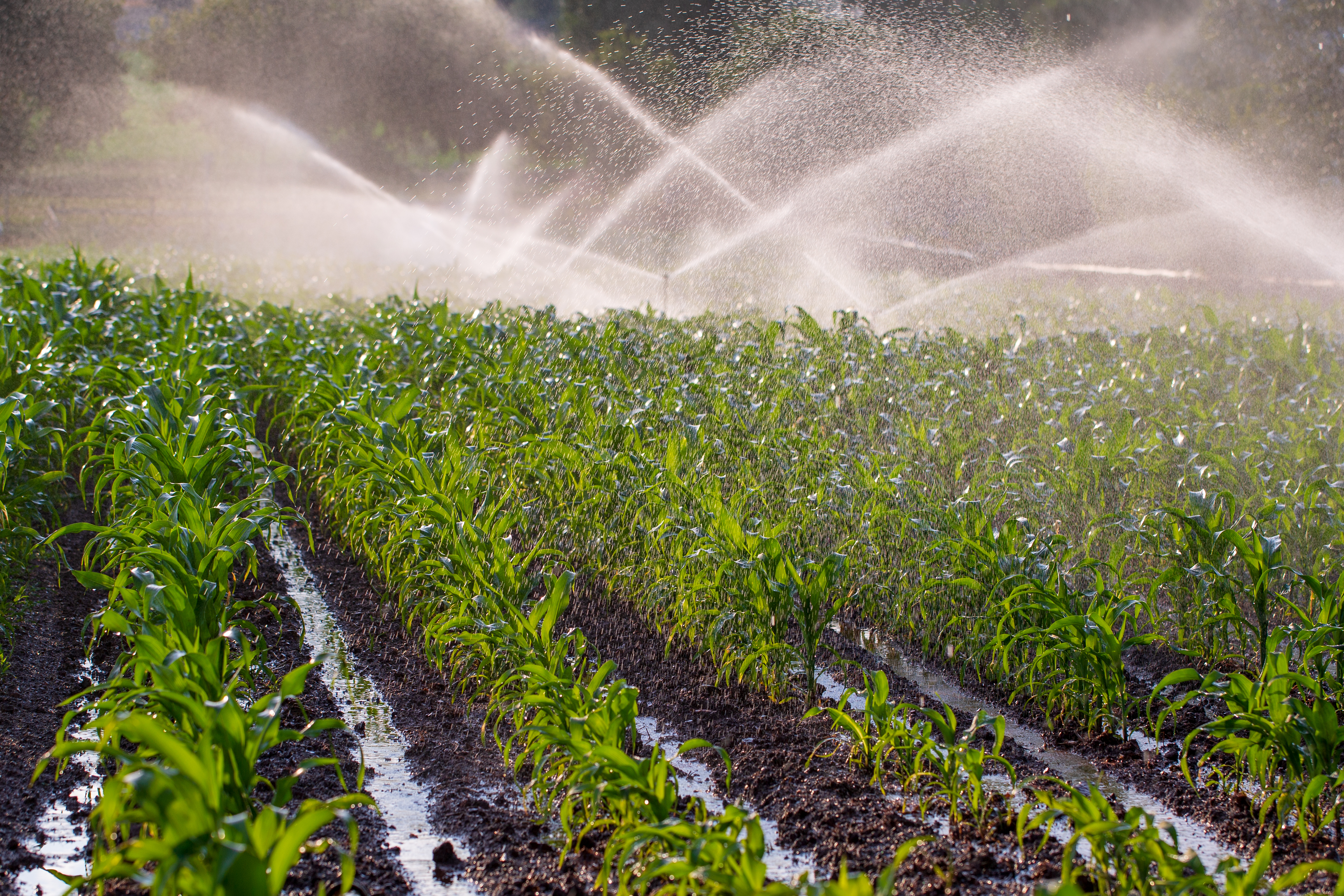
The process of applying controlled amounts of water to land to assist plant growth in arid climates. Overhead spray irrigation emits water in an overlapping, overhead pattern. Drip irrigation delivers small quantities of water directly to plant roots.
-
MICROCLIMATE
Climate factors that are particular to your garden. Every garden has areas where plants will flourish and other areas where plants will struggle. As an example, planting areas on the north side of a building are typically shady and moist.
-
MULCH
Organic or inorganic material that covers soil, providing a durable, protective surface barrier. Mulch reduces weeds, evaporation, and runoff, and promotes healthy soil and plants by keeping in moisture. Organic mulch, like shredded bark and woodchips, supports healthy plants and soil and provides the most benefits for yards. Inorganic mulch, like gravel and pebbles, are long lasting and erosion resistant.
-
NON-POTABLE WATER
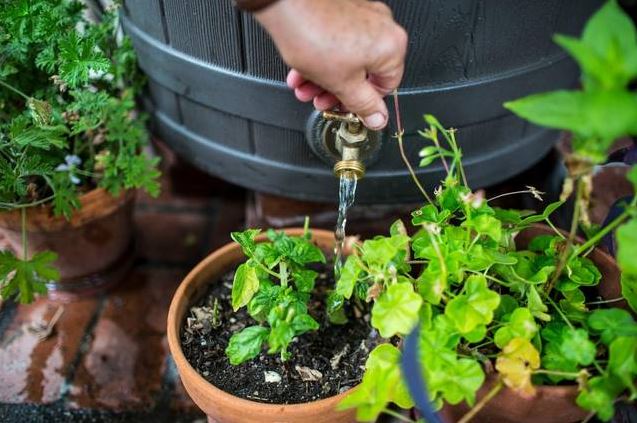
Collected or untreated water that is not safe for human or animal consumption. Common sources include captured rainwater, recycled (reclaimed) water, graywater and untreated ground water.
-
PERENNIAL PLANT
Plants which live longer than two years and may produce flowers and fruit annually.
-
PERVIOUS CONCRETE
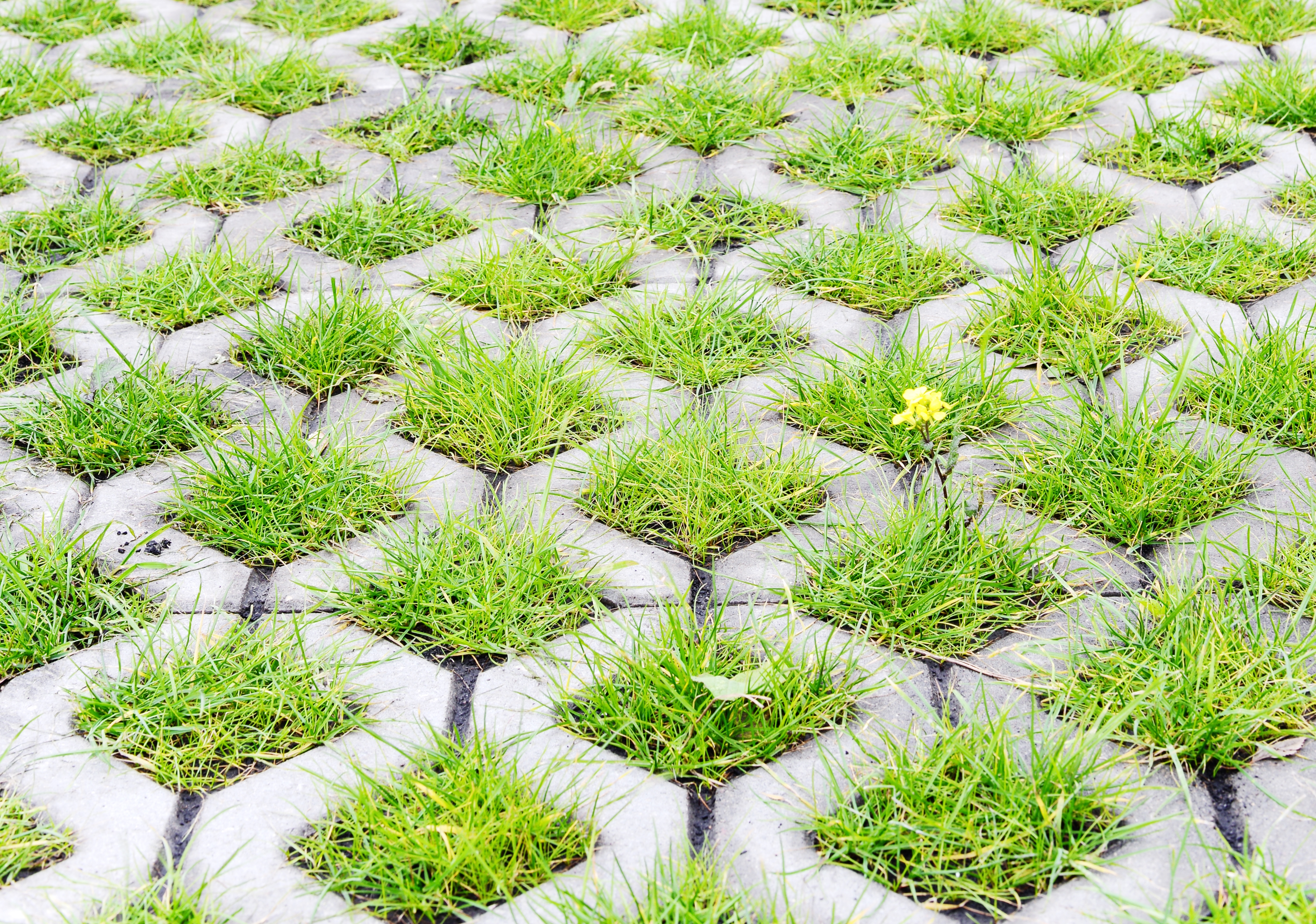
A special type of concrete that allows water from precipitation to pass directly through, thereby reducing the runoff from a site and allowing groundwater to recharge.
-
PLANTER
A large container in which plants are grown.
-
PLANT FACTORS (PF)
A way to categorize each plant’s water use requirement to maintain an acceptable appearance and function. Plant Factors are measured in a percentage relationship to the amount of water needed to maintain healthy turf grass and are categorized as Very Low (0%-10%), Low (20%-30%), Moderate (40%-60%) and High (70%-100%) water use.
For example, a low water plant may use 20% of the water needed to support lawn, a 60% to 80% savings depending on turf type.
-
POTABLE WATER
Water which has been treated and is safe for human or animal consumption.
-
RIVER-ROCK
A type of naturally formed cobble known for its smooth, rounded texture and versatility.
-
RUNOFF
Excess rainwater or irrigation water that the land cannot absorb. Runoff flows across the surface of the land and into nearby creeks, streams and ponds, sometimes by way of a storm drain system. Runoff in San Diego is not treated before entering local waterways.
-
SUCCULENTS
Fleshy tissued plants which store water for use during dry annual cycles.
-
SUSTAINABLE LANDSCAPING
Sustainable landscaping encompasses a variety of practices that have been developed in response to environmental issues and a desire to create multi-benefit landscaping. These practices are used in every phase of landscaping, including design, construction, implementation and management of residential and commercial landscapes. Strategies include water conservation; rainwater capture and use; reduction of pollution, greenhouse gases, and green waste; energy and cost savings; and human and wildlife habitat improvements.
-
TOPSOIL
The surface layer of soil which contains many beneficial organisms when healthy.
-
TURF
Also known as ‘lawn’, ‘grass’ or ‘sod’, this plant covers most American yards and is defined as a ground cover surface of mowed grass.
Functional turf is a mowed surface of grass which supports active and passive human recreation.
Non-functional turf is a mowed surface of grass which does not support human recreation.
-
WATERSHED
An area of land that drains into a common water body, such as a river, lake, or the ocean. When rain falls in the County and becomes stormwater runoff, it flows through eleven major watersheds.
-
XERISCAPE
A style of landscape design requiring little or no irrigation or other maintenance, often used in arid regions.







 Popular Services